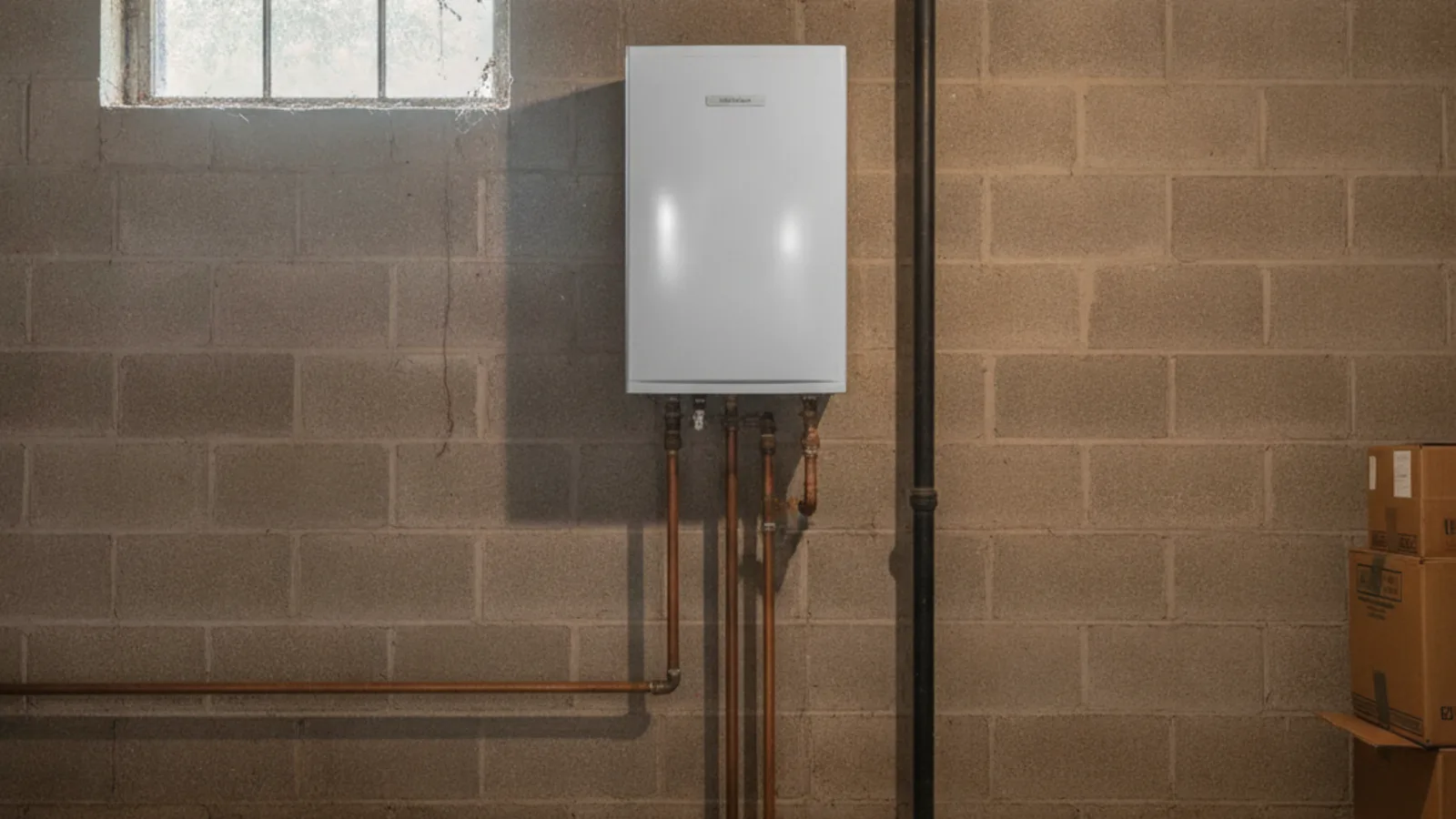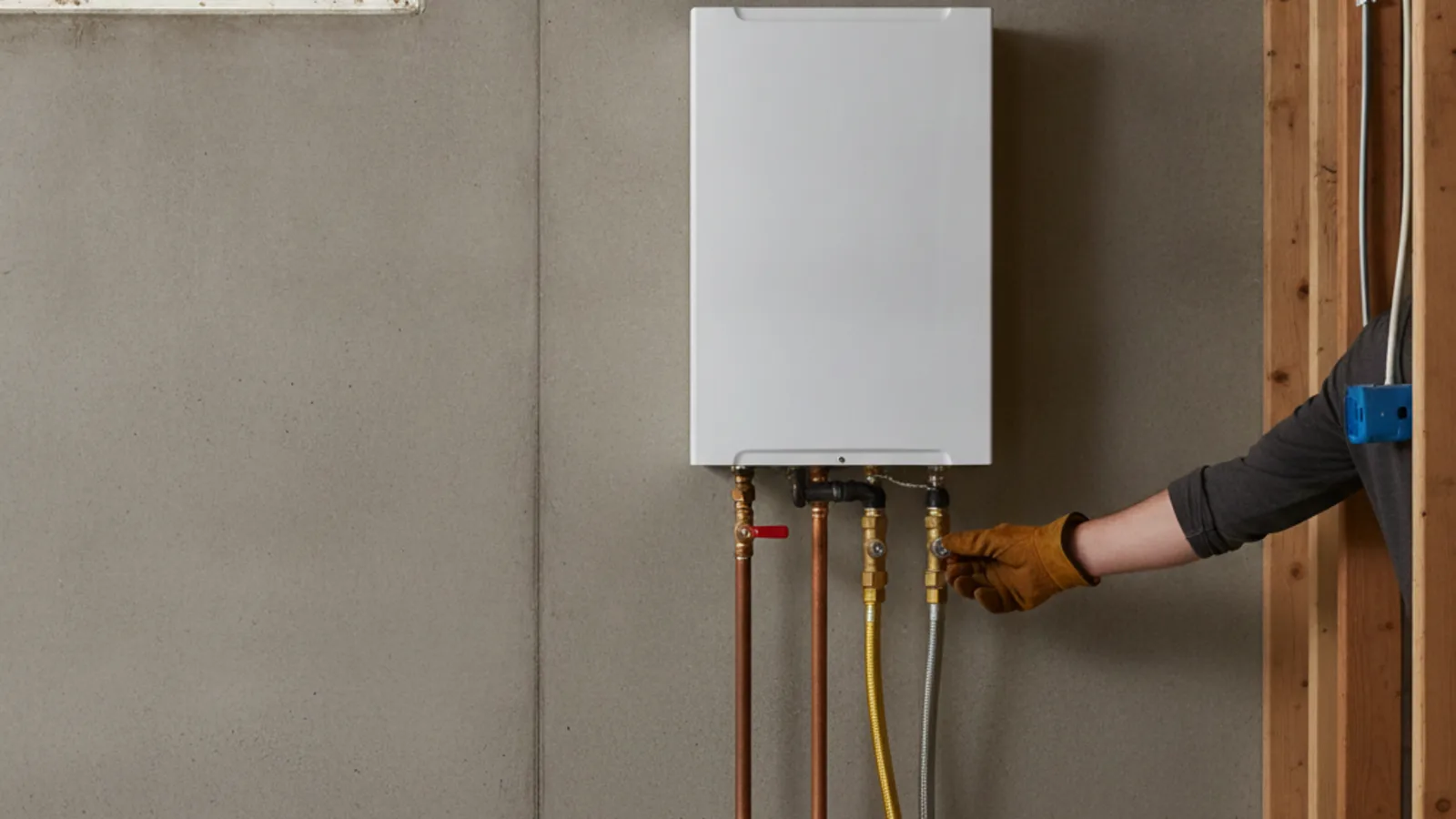


Choose a tankless water heater if you plan to stay in the home ten or more years, your gas supply and venting can carry the unit, and running out of hot water is a recurring problem. Choose a conventional tank if you need a straightforward like-for-like replacement, the budget is fixed, or the home has several fixtures drawing hot water at the same time. In Delaware, cold winter inlet water and the gas capacity of older Wilmington homes decide the question more often than the units themselves do.
The Question Behind the Question
Almost nobody researches this topic idly. It comes up because a tank is somewhere past its eighth year, or because someone has already had the conversation that starts with a technician saying the unit is finished.
That timing matters, because it changes what a good answer looks like. If your tank has already failed and the house has no hot water, the practical choice is usually a tank, because a conversion involves gas and venting work that cannot responsibly be rushed in an afternoon. If you are planning ahead with a working unit still in place, the whole range is genuinely open to you.
So the first honest thing to say is that the best option depends less on which technology is superior and more on your timeline, your home's existing gas and venting, and how your household actually uses hot water.
How Each One Works
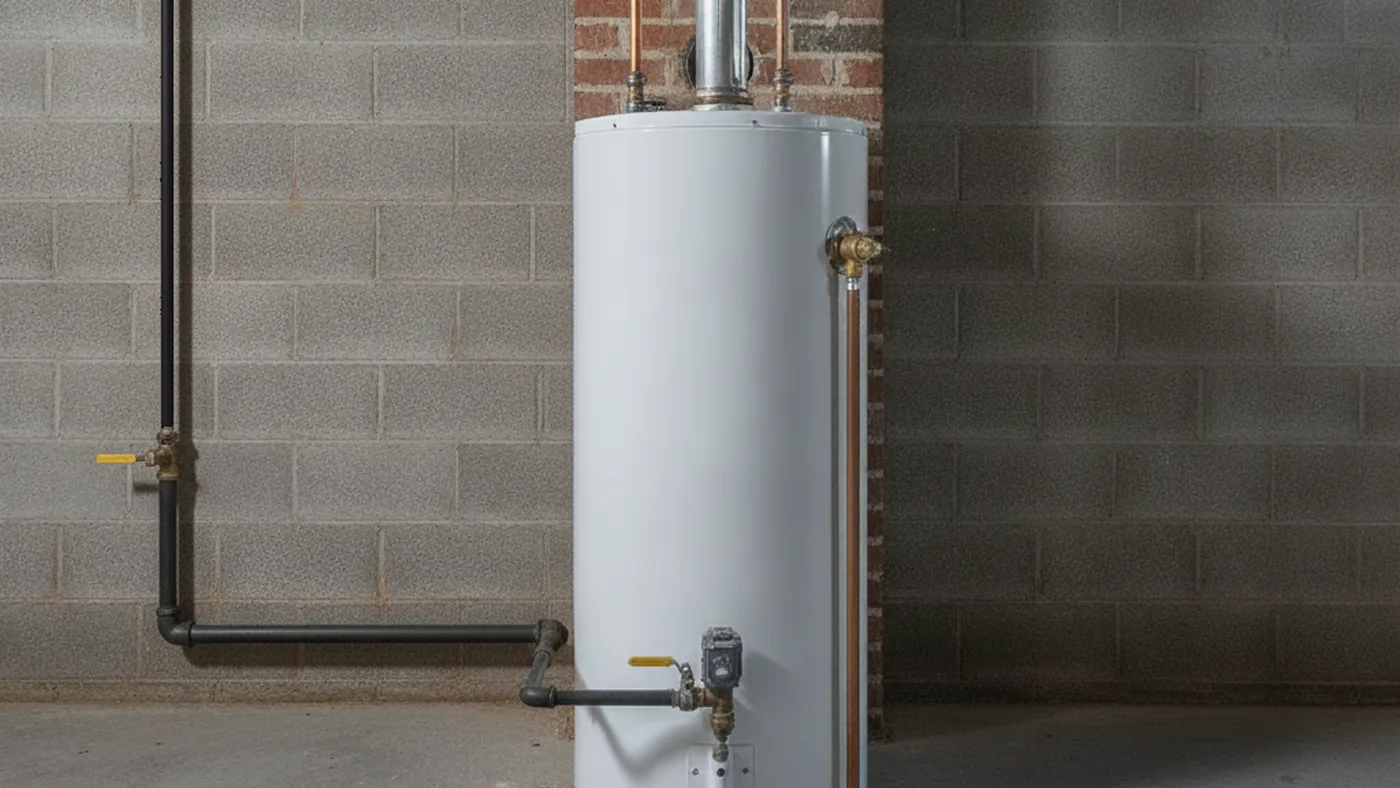
A conventional water heater keeps forty to eighty gallons hot around the clock, so it is ready the moment you open a tap. The cost of that readiness is standby loss — energy spent keeping water hot through the night and through every workday when nobody is home.
A tankless unit heats only on demand. Open a hot tap, a flow sensor fires the burner, and water is heated as it passes through a heat exchanger. Close the tap and the burner shuts off. There is no reservoir, so there is no standby loss, and there is no stored volume to exhaust.
That single structural difference drives every practical trade-off below.
Lifespan and the Replacement Cycle
This is where the gap is widest, and it is the number most worth understanding before you spend anything.
The U.S. Department of Energy's Building America programme puts it plainly. Because tankless heaters do not store water, they are less subject to corrosion than tank-type units, and as a result their expected equipment life is "more than 20 years, compared with 10 to 15 years for traditional heaters".
Read that as a replacement cycle rather than a spec. Over a twenty-year period of ownership, a tank is likely to be a repeat purchase and a tankless unit is likely to be a single one. If you intend to sell within a few years, that advantage largely transfers to the next owner rather than to you, and a tank is the more rational spend. If you are staying, it is the strongest argument in the tankless column.
Both figures assume maintenance. A neglected tankless heat exchanger scales up in mineral-heavy water and loses both output and years, which is why descaling is not optional here.
Running Out vs Slowing Down
The most common way this comparison gets described is that tankless gives you unlimited hot water. That is true, and by itself it is misleading.
The two systems have genuinely different limits. A tank has a capacity limit: it holds a fixed volume, and once you have drawn it down, you wait for recovery. A tankless unit has a flow rate limit: it will heat water indefinitely, but only so many gallons per minute at once. The Department of Energy's Building Science Education Center notes that tankless units can provide hot water at a rate of 2 to 5 gallons per minute.
That distinction has a practical shape. Four consecutive showers on a winter morning is a tank problem — the fourth person gets cold water. Two showers plus a dishwasher plus a washing machine, all at once, is a tankless problem — everything runs, but nothing runs at full temperature. Households with staggered demand tend to prefer tankless. Households with simultaneous demand often do better with a well-sized tank, or with a tankless unit deliberately sized above the obvious number.
Need water heater service in Wilmington?
Serving Wilmington with same-day availability and flat-rate pricing confirmed before work begins.
The Delaware Winter Problem
Here is the factor almost no national guide mentions, and it is the one that most often disappoints people locally.
A tankless unit's rated flow depends on temperature rise — how far it must lift the incoming water to reach your setpoint. Ground temperature in Delaware is not constant. Incoming water in July is substantially warmer than incoming water in February, and in February the unit must work considerably harder for the same output.
The consequence is direct: a tankless heater that comfortably runs two showers in September may struggle to run those same two showers in January. It has not failed, and nothing is broken. It was sized against the wrong month.
This is why sizing a tankless unit in this region has to be done against winter conditions, not average ones. A unit chosen on a mild-weather assumption will underperform in exactly the weeks you least want it to. When we assess a conversion, we size against the cold-inlet case, which is also why we will not quote a tankless conversion off a phone description of the house.
Gas Capacity and Venting in Older Wilmington Homes
The second local factor is the existing infrastructure, and it is usually what decides whether a conversion is straightforward or expensive.
A gas tankless unit fires at a far higher input rate than the tank it replaces, because it has to heat water instantly rather than gradually. Three things have to support that:
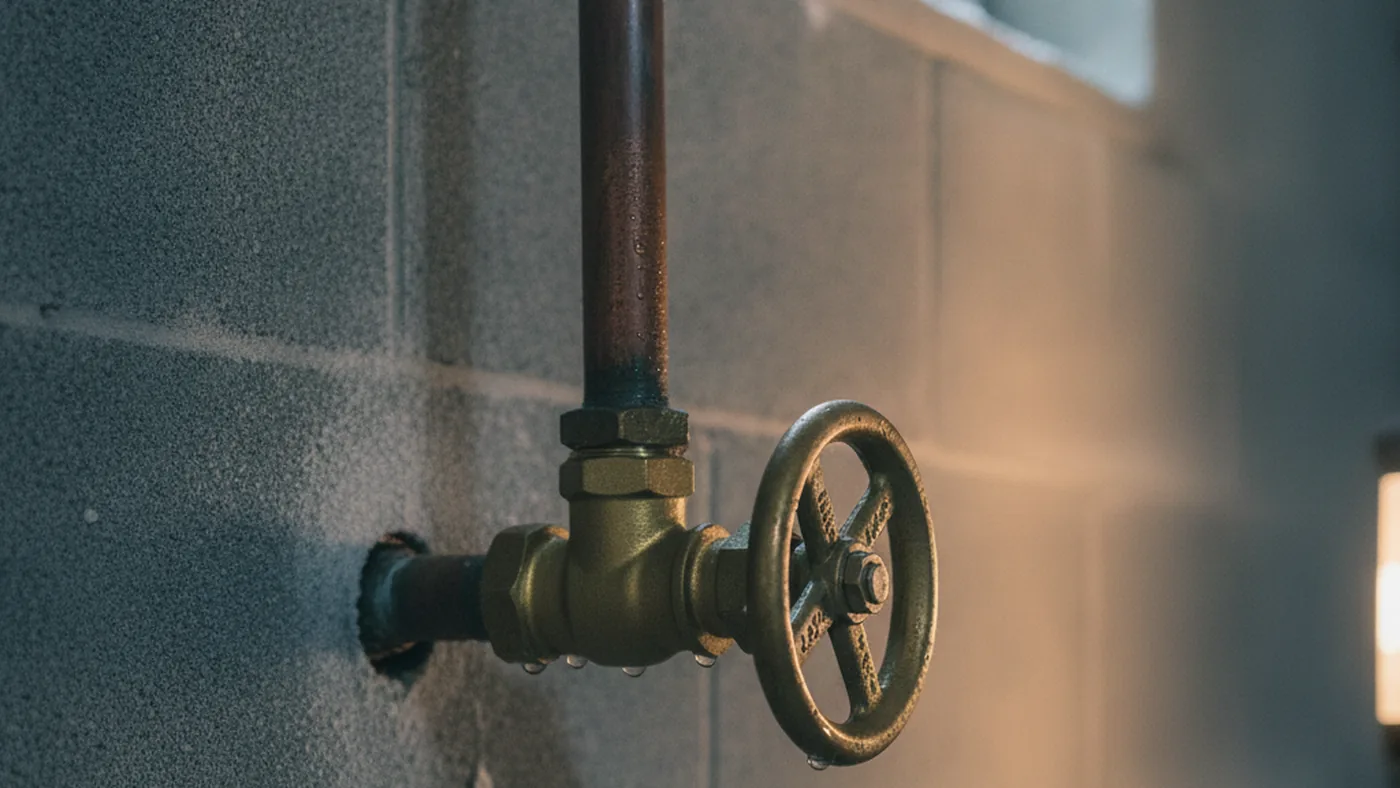
Gas line sizing. The supply line feeding an old forty-gallon tank is frequently undersized for a tankless unit. Where the run back to the meter is long — common in Wilmington city rowhomes and older Brandywine Hundred properties — the line may need upsizing, and in some cases the meter itself does.
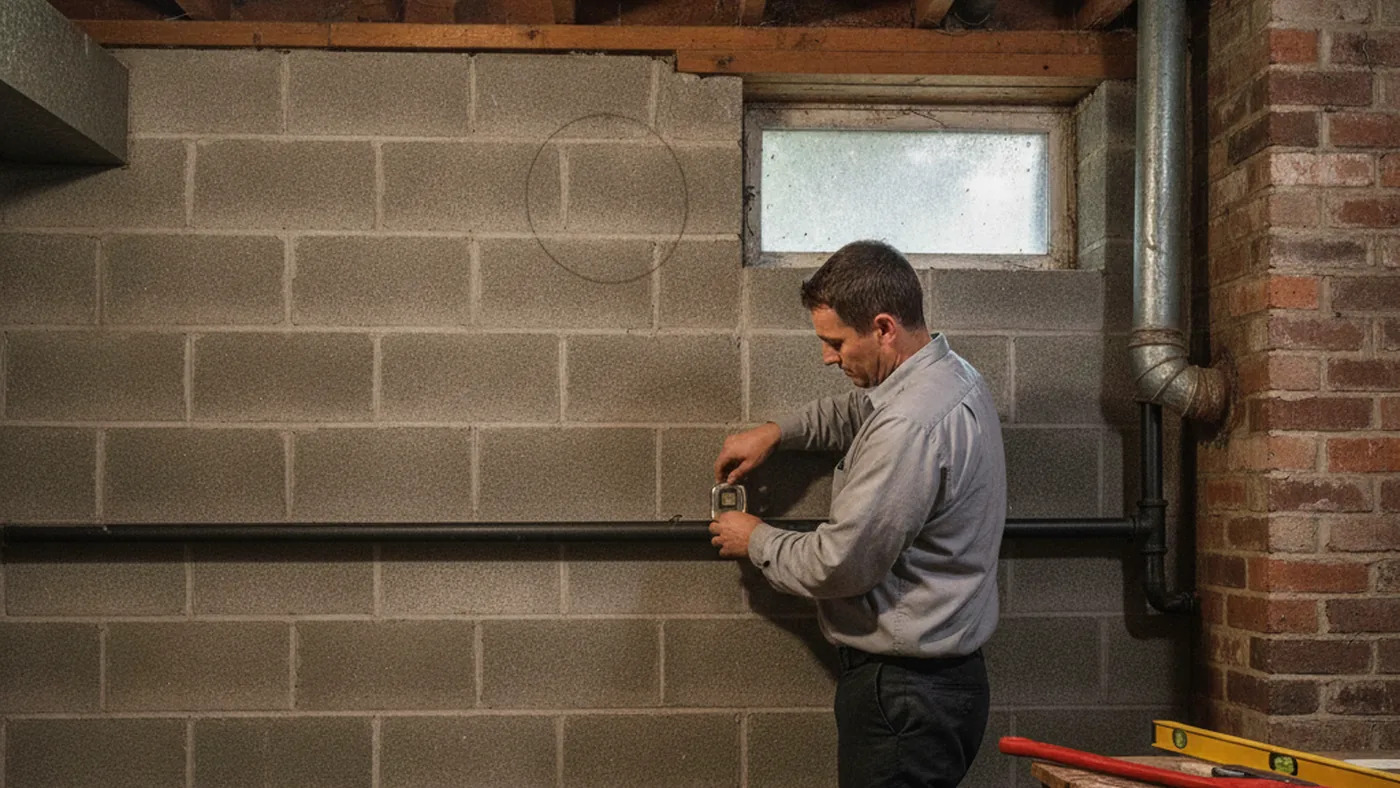
Venting. Most tankless units require dedicated sealed venting, typically stainless steel or PVC depending on the model. They cannot share an existing masonry chimney with another appliance the way an atmospheric tank often does. If the old unit vented into a shared chimney, that chimney's draft for anything remaining on it has to be reassessed.
Condensate. Condensing models produce acidic condensate that needs a drain path and usually neutralisation. In a finished basement, where that line runs is a real design question rather than an afterthought.
None of this makes a conversion a bad idea. It makes it a project with a site assessment attached, and it is the reason a tankless quote given without someone looking at your gas line and vent path is not a quote worth trusting. Our guide to a tank to tankless conversion walks through each step of the install itself.
So Which One Should You Choose
A tankless unit makes sense if you are staying in the home long term, your gas and venting can carry it or you are willing to invest in the upgrade, you value the space a wall-mounted unit frees up, and your household's hot water demand is spread out rather than simultaneous.
A conventional tank makes sense if you need a same-day replacement, the budget is defined and firm, several fixtures routinely run at once, or you expect to move within a few years.
There is no universally correct answer, and any company that gives you one without asking about your home is selling rather than advising.
Getting a Straight Answer for Your Home
The way to settle this is to have someone look at the actual gas line, the actual vent path, and the actual hot water demand in your house, then give you both prices.
Water Heater Now handles tankless water heater installation in Wilmington and conventional water heater installation across New Castle County and the surrounding Tri-State area. We check venting, gas capacity, and household demand before quoting, and the price is flat-rate and confirmed before any work starts.
If your current unit is showing its age and you are not sure how much time you have to decide, our guide to the signs you need a water heater replacement will tell you where you stand. Call us at (302) 240-2818 — we answer 24 hours a day.