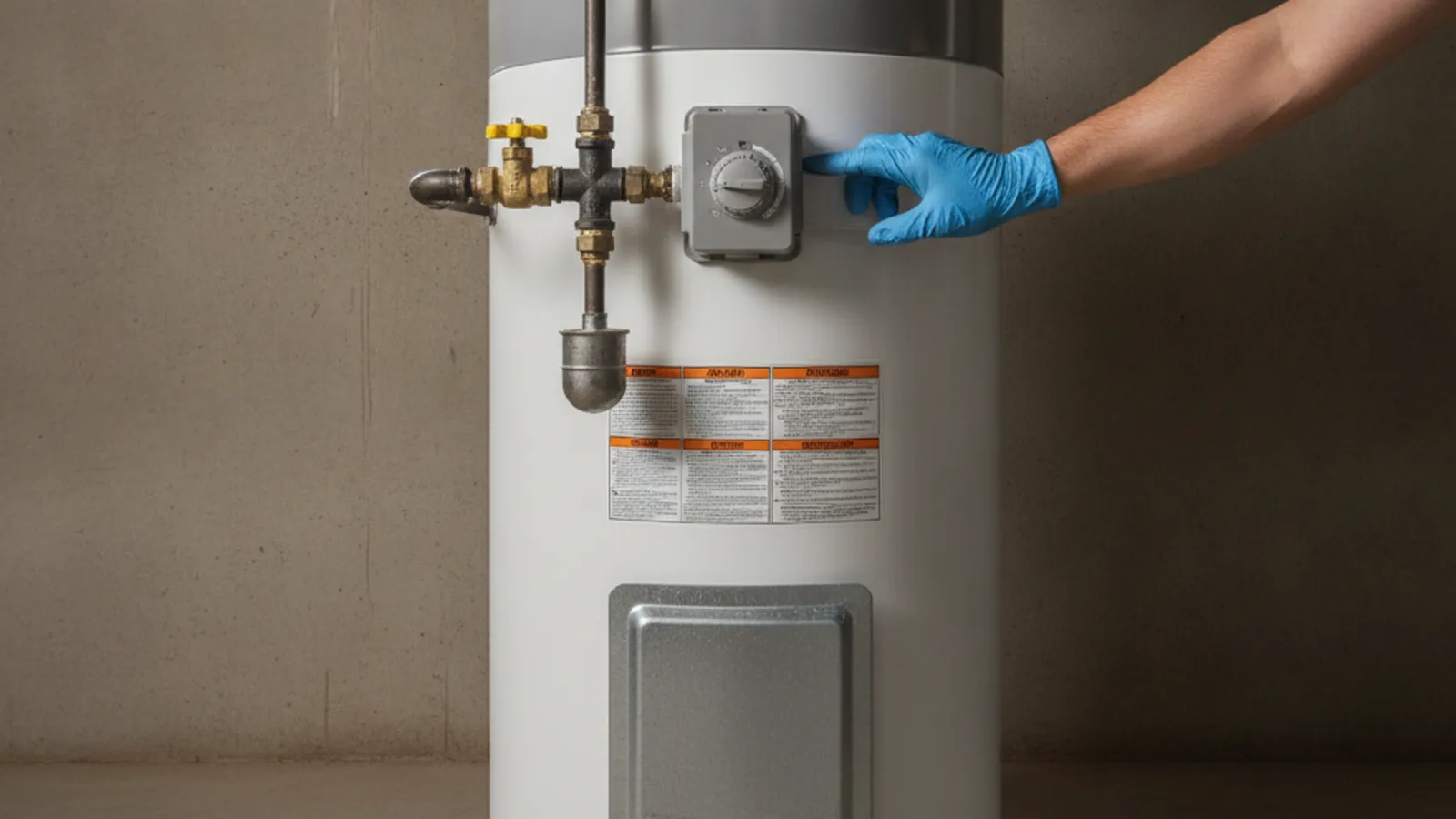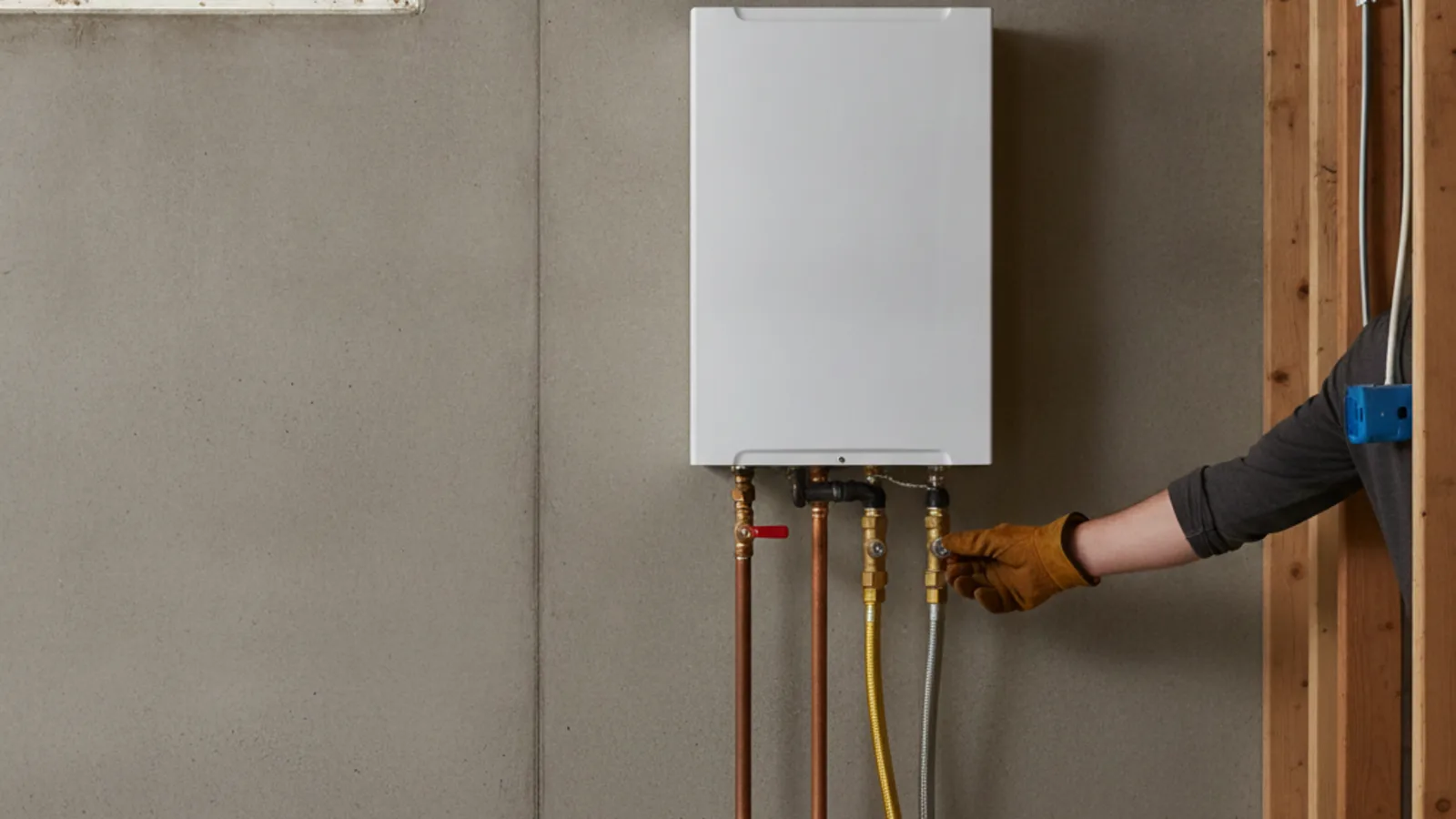

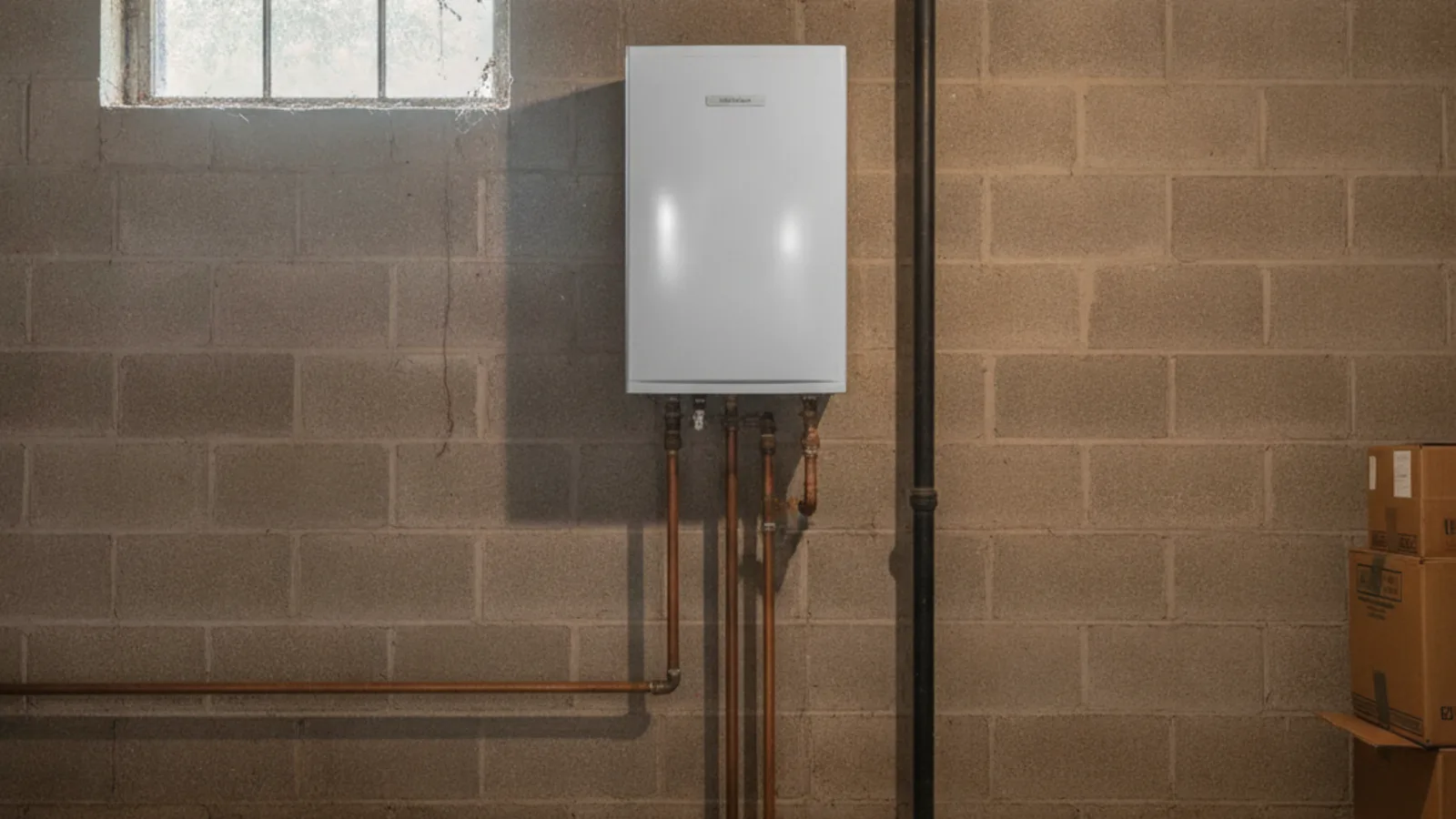
A tank to tankless conversion means more than swapping one water heater for another: the installer has to confirm your gas line can feed the unit, build a new dedicated vent, add a power supply and service valves, and drain condensate on high-efficiency models. That is why a conversion usually takes most of a day, while a straight tank-for-tank swap takes two to three hours.
Why a Conversion Is Not a Straight Swap
A tank water heater stores 40 or 50 gallons and heats it slowly with a small burner. A tankless unit stores nothing and heats water only as it flows, so it needs a much larger burner firing for short bursts. That one difference changes the gas supply, the venting and the electrical needs, and it is why two quotes for "a tankless install" can be far apart.
If you are still deciding whether tankless is right for your home at all, start with our tankless vs tank comparison. This post assumes you are leaning towards switching and want to know what the work involves.
Step 1: The In-Home Check
A good conversion starts before anyone picks up a wrench. Expect the installer to look at:
- Peak demand. How many showers, the washer and the dishwasher run at the same time.
- Gas supply. The pipe size and length from the meter, and what else runs on gas.
- Vent route. Where a new vent can leave the house to code.
- Drainage. Whether there is a floor drain or a condensate pump location nearby.
- Water quality. Hard well water means a plan for scale from day one.
Sizing has to be done for winter. Incoming water in a Delaware January is much colder than in September, and a unit sized for average conditions will fall short on the coldest mornings. Any price given without this visit is a guess.
Step 2: The Gas Line
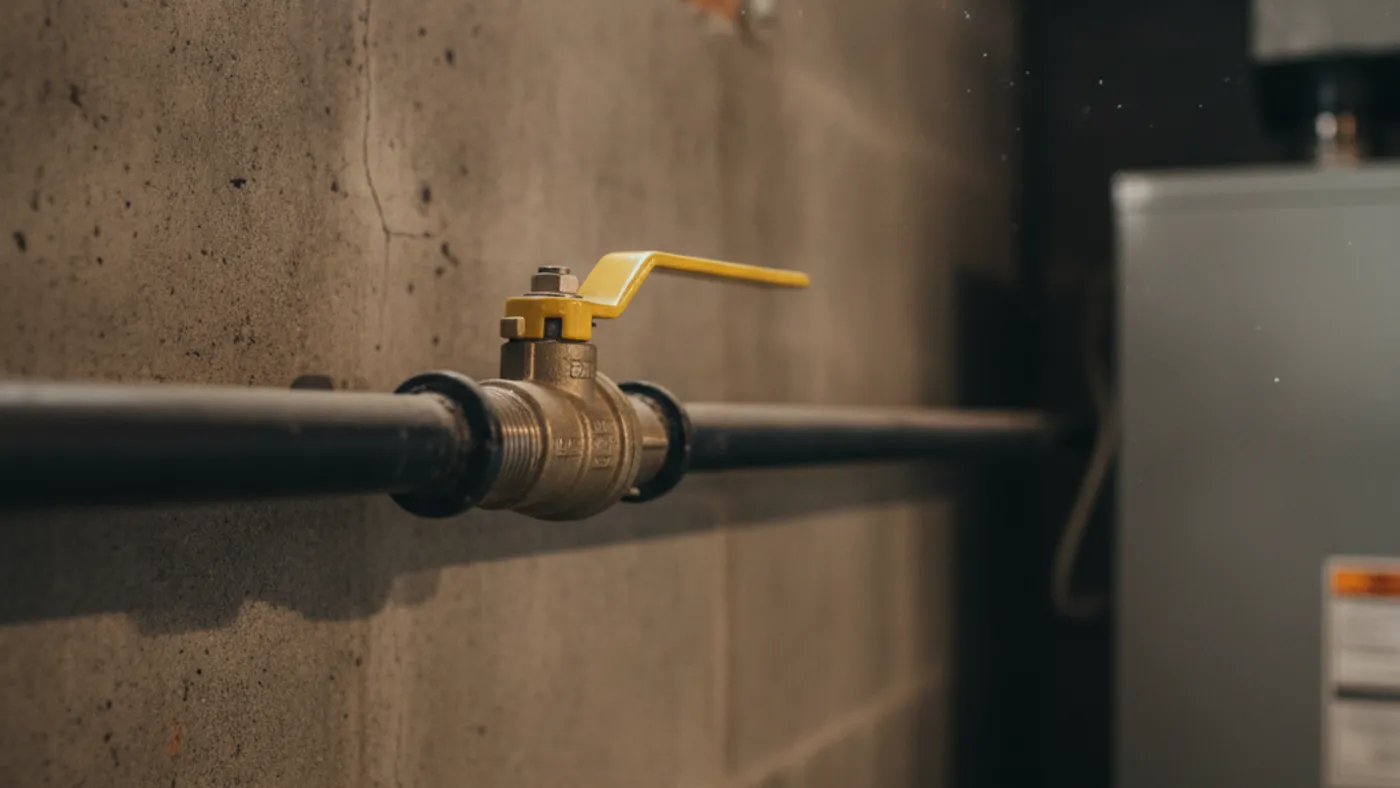
Gas capacity is the question that most often changes the price. Rinnai says its tankless heaters are designed to work "using either a 3/4" or 1/2" gas line, as long as sufficient gas flow is available." The catch is in that last part. The length of the run, the meter and every other gas appliance on the line all decide whether there is enough.
Older advice said every conversion needed a bigger line. When the 2012 National Fuel Gas Code came out, Rinnai noted that "in the past, replacing a tank with a tankless water heater often meant having to upgrade to 3/4-inch gas piping," and that the newer code made 1/2-inch piping more feasible. It also added that installers "should check and abide by local gas-pipe size and licensing rules and codes." So some homes keep their existing line, and some need a new one from the meter. Only measuring tells you which.
Step 3: A New, Dedicated Vent
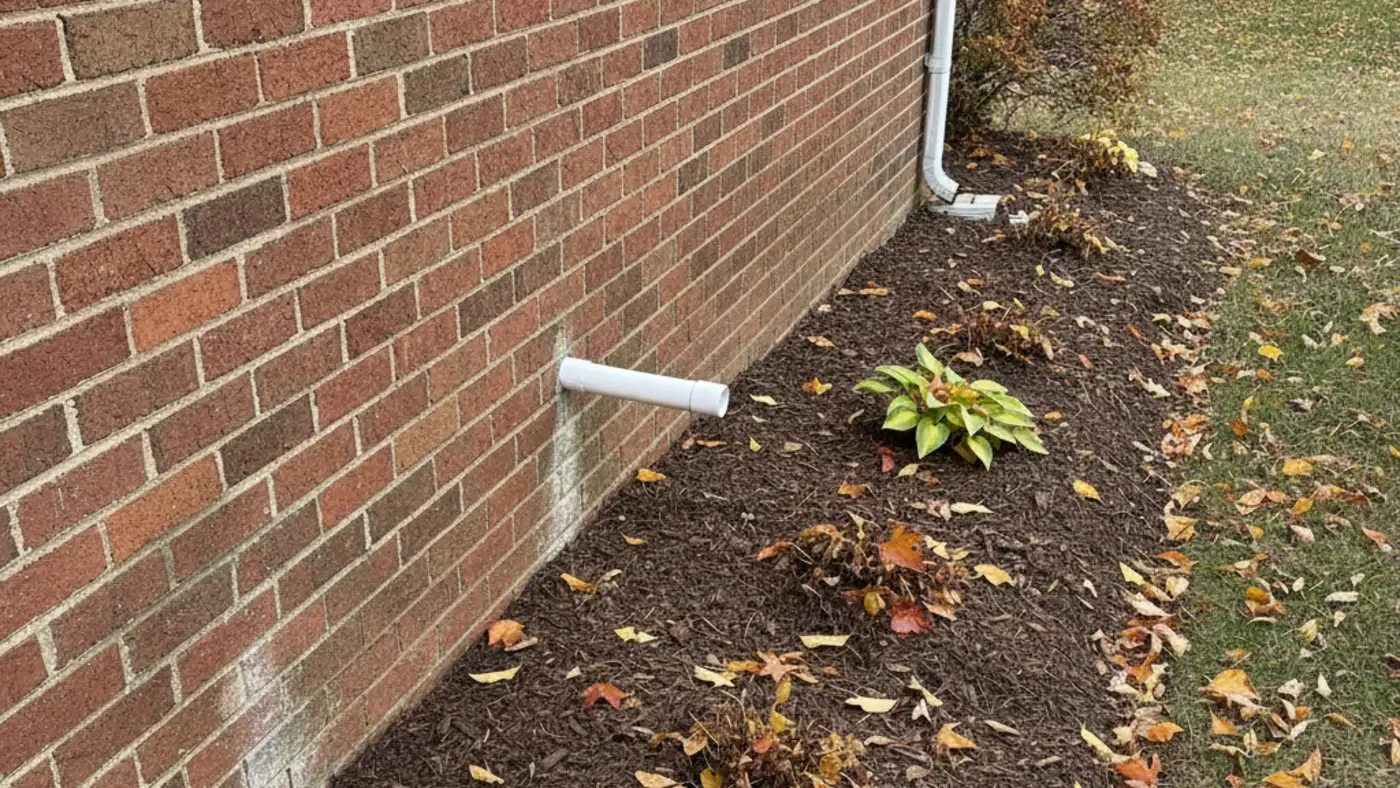
A gas tank usually vents up a metal flue or into a masonry chimney. A tankless unit needs its own dedicated vent, and in most conversions it does not share the old chimney. Many units vent out through a side wall instead, which means a new hole through the rim joist or foundation wall and a termination outside that keeps the right distances from windows, doors and the ground.
This is where older Wilmington homes get more involved. In a rowhome with a shared masonry chimney and a basement that sits tight to the property line, finding a compliant vent route can take real planning.
High-efficiency condensing models add one more piece. They pull so much heat out of the exhaust that water condenses inside them, and that slightly acidic condensate has to be drained properly. Where a floor drain is close, that is simple. Where it is not, a small condensate pump is part of the job.
Need water heater service in Wilmington?
Serving Wilmington with same-day availability and flat-rate pricing confirmed before work begins.
Step 4: Power, Water Connections and Service Valves
A gas tank water heater usually runs without electricity. A gas tankless unit does not. Rinnai's units "require 120 volts AC, 60 Hz and less than three amps," so the installer needs a properly located outlet or a hardwired connection near the unit. It also means a gas tankless heater will not run during a power cut, which is worth knowing before you switch.
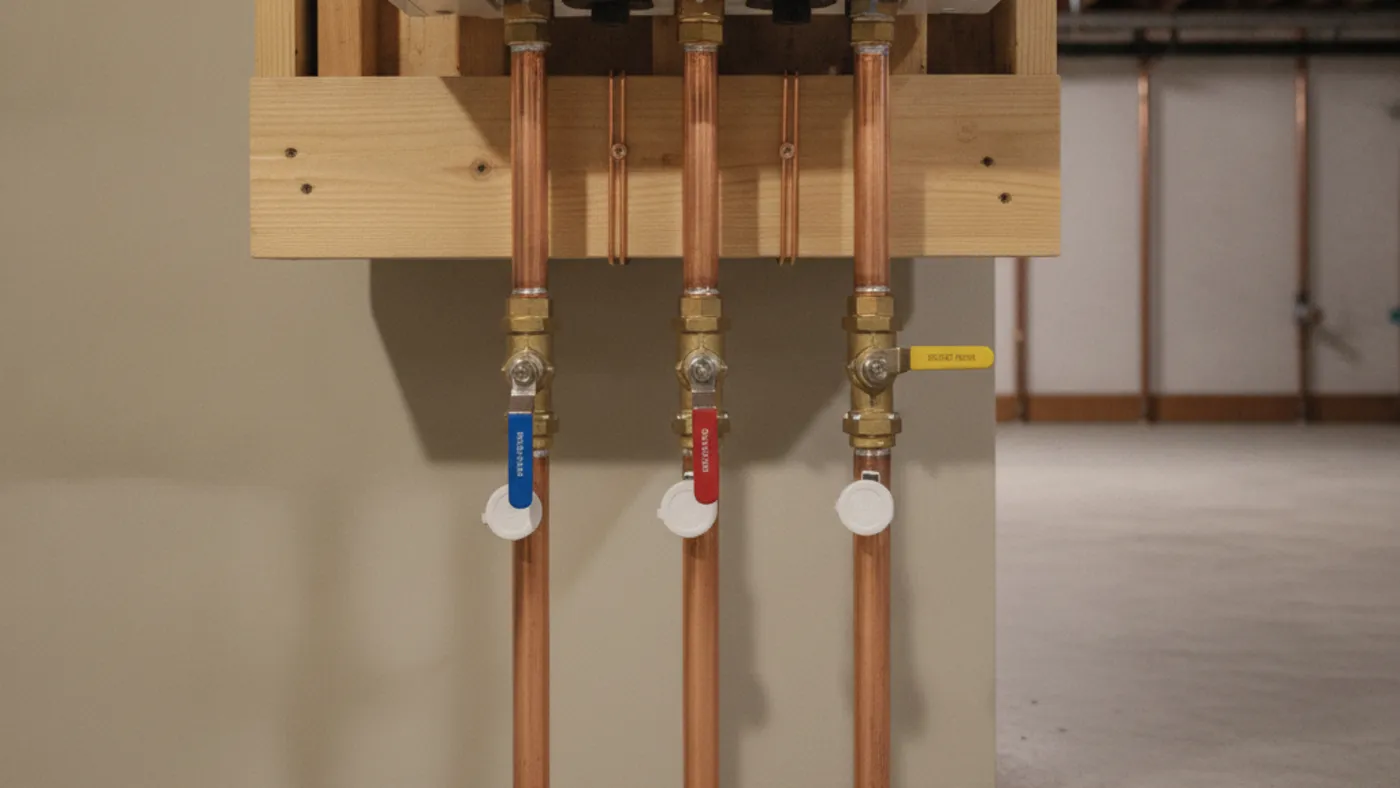
On the water side, the installer adds isolation valves with service ports under the unit. They cost little at install time and they make the yearly flush a short job. On well water in Chester County and Cecil County, where scale builds faster, that matters even more. Our guide on how often to flush a tankless water heater explains why.
Step 5: Removing the Old Tank and Commissioning
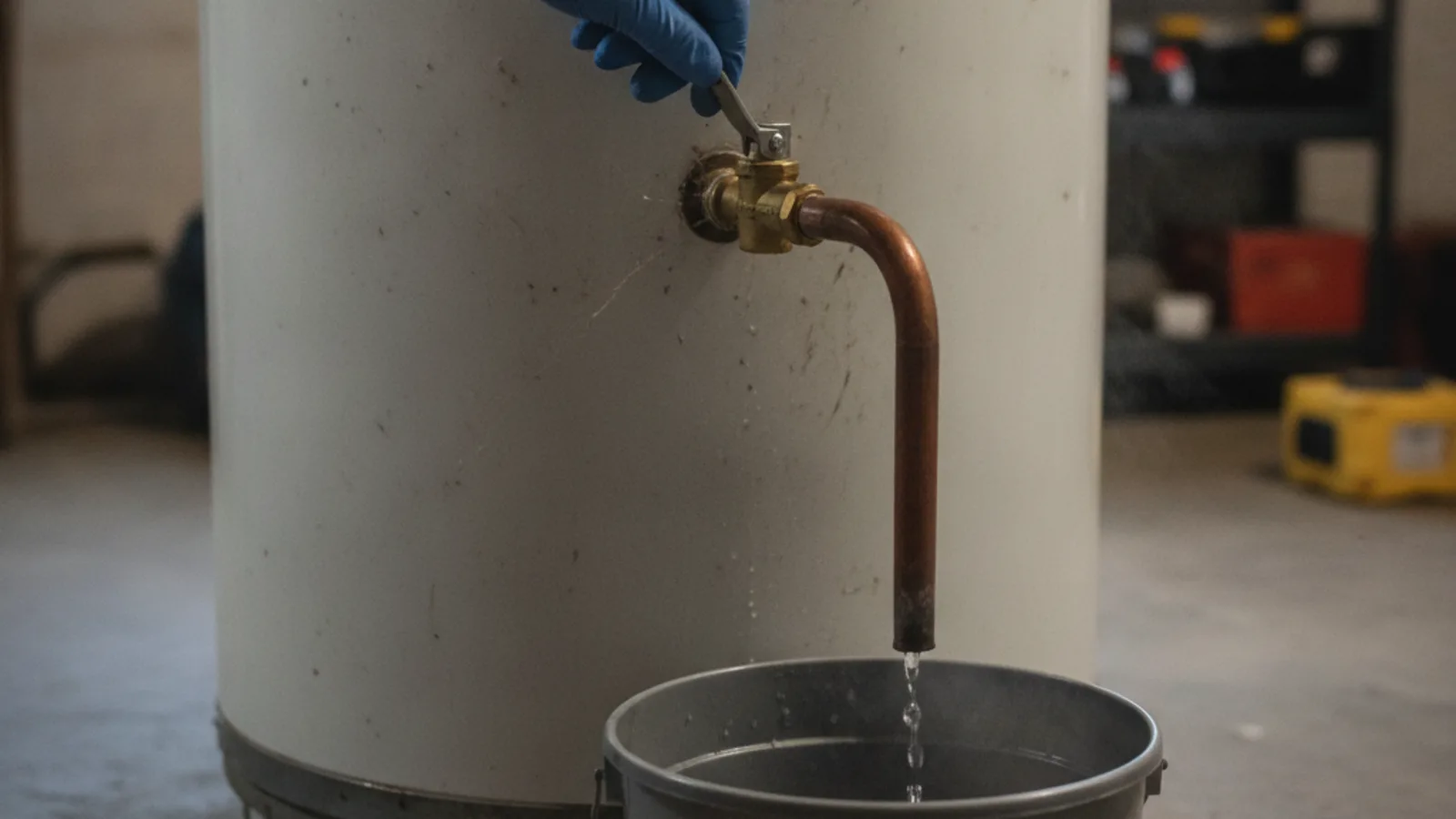
The old tank is drained and removed, the unit is mounted on the wall, and everything is connected. Then comes commissioning: purging air from the gas line, checking for leaks, confirming the vent, setting the temperature and running hot water at full flow to make sure the unit holds temperature with several fixtures open.
Rinnai recommends working "with a licensed contractor trained to handle the plumbing, gas, electrical and venting aspects of installing a tankless water heater." In Delaware, that also means a permit and inspection.
How Long It Takes, and Why It Is Rarely an Emergency Job
Most conversions take most of a day. Jobs that need a new gas line from the meter or a long vent route can take longer. That is the main reason tankless is a planned upgrade rather than an emergency replacement. If your tank has just failed and you need hot water tonight, a same-day tank replacement is usually the faster route, and you can plan a conversion later.
Get a Straight Answer for Your Home
Water Heater Now installs tankless water heaters in Wilmington and across New Castle County, Chester County and Cecil County. We check your gas supply, vent route and peak demand in the home, then give you one flat price that covers the venting and any gas work. Call (302) 240-2818. We answer 24 hours a day.
---
Sources, verified October 7, 2026: Rinnai, Residential FAQ; Rinnai, New Gas Code Makes It Faster, Easier, and Less Expensive to "Go Tankless" with Rinnai (June 14, 2012).