
A steel tank holding hot water should rust through within a couple of years. It does not, and the reason is one inexpensive component most homeowners have never heard of.
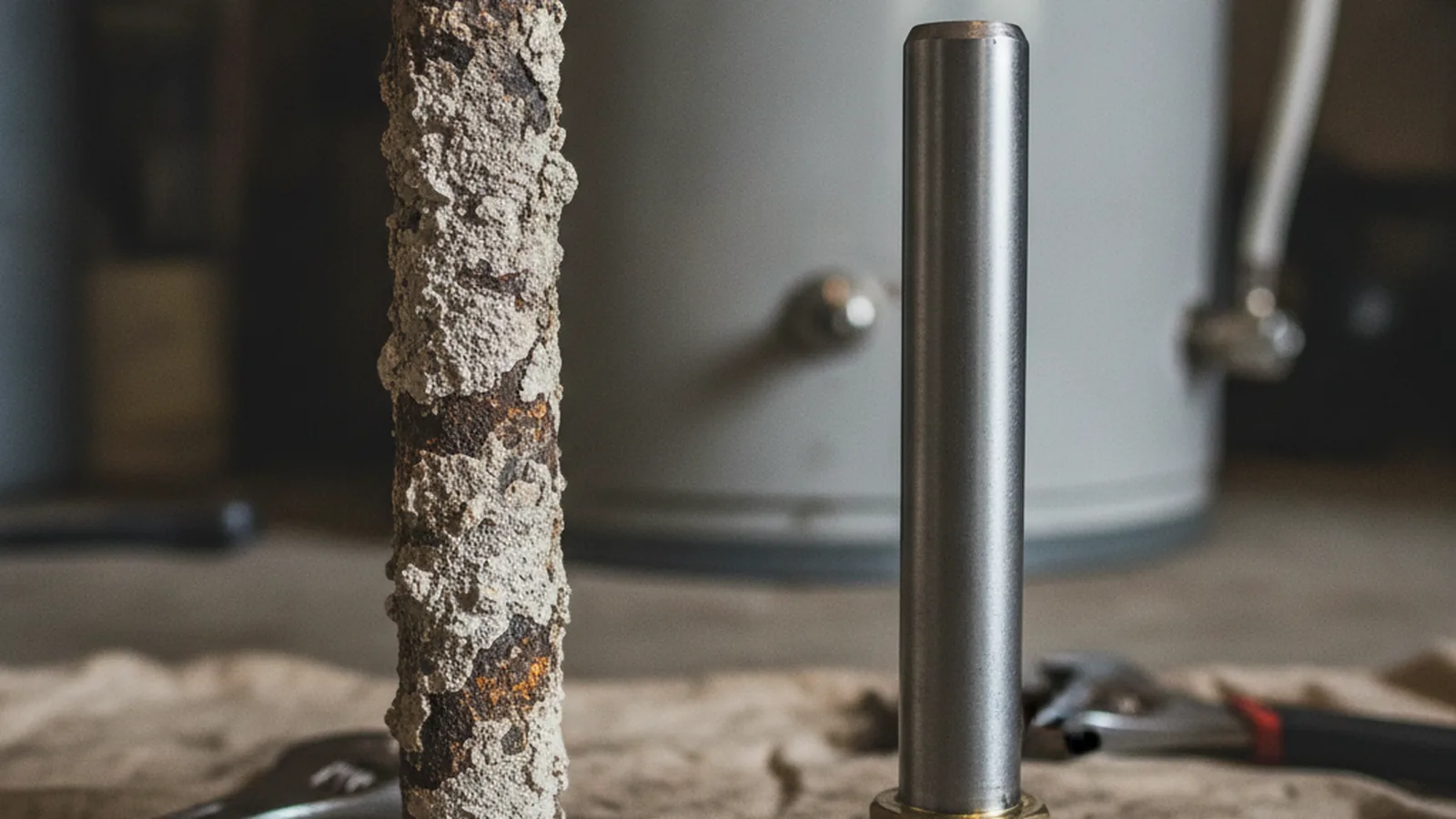
The anode rod is a length of magnesium or aluminium suspended inside the tank, deliberately made of a metal that corrodes more readily than steel. Corrosion attacks it instead of the tank walls. That is its entire job, and it is why the word sacrificial is part of its name.
Why This Is the Highest-Value Maintenance on the Appliance
Once the rod is consumed, corrosion has nowhere else to go and begins working on the tank. From that point the clock runs quickly.
A tank that has perforated cannot be repaired at any price. That is the difference between the anode rod and almost every other component: thermostats, elements, valves and thermocouples are all replaceable, and a failed tank is a new water heater.
A rod costs a small fraction of a replacement heater and can be changed several times over the appliance's life. Very few are.
Why It Matters Especially Here
Anode rods are consumed faster in water with high mineral content, and parts of Delaware and the surrounding counties, particularly homes on well water, have exactly that.
The same mineral content produces the sediment described in our post on preventing sediment buildup. Sediment and anode consumption are two consequences of the same water, and they tend to arrive together.
Water softeners complicate this. Softened water is generally gentler on the tank in some respects, but it can accelerate anode consumption, so softened households often need the rod checked more often rather than less.
Signs It Is Worth Checking
There is no warning light, which is much of the problem. Indirect indicators:
- A rotten egg smell in the hot water only. This is the classic sign, caused by a reaction between the magnesium rod, bacteria and sulphates in the water. Switching to an aluminium or zinc-alloy rod usually resolves it.
- Rusty or discoloured hot water, which suggests corrosion has already reached the tank.
- A heater approaching five years old that has never been inspected.
- Well water, which shortens the interval.
If the hot water already runs rust-coloured, the conversation has usually moved from the rod to the tank.
How Often
Every two to three years is a reasonable inspection interval for most homes, and more often on well water or with a softener.
Replace when the rod is substantially consumed: heavily pitted, reduced to the steel core wire along much of its length, or coated in hard calcium deposit that prevents it working.
Need water heater service in Wilmington?
Serving Wilmington with same-day availability and flat-rate pricing confirmed before work begins.
Can You Do It Yourself?
Sometimes, and there are two common obstacles.
Clearance. Many rods are several feet long and need vertical space above the heater to withdraw. In a basement with low joists, a flexible segmented rod is the usual answer.
Torque. The hex head is often seized after years of heat cycling, and it can take considerable force to break loose. Applying that force to a tank in a finished space carries some risk of damaging the connections.
Where the heater is in an awkward spot, is older, or has never been serviced, it is worth having it done as part of a maintenance visit rather than turning a small job into a large one.
Do It at the Same Time as the Flush
The two jobs go together, and both address the same underlying problem.
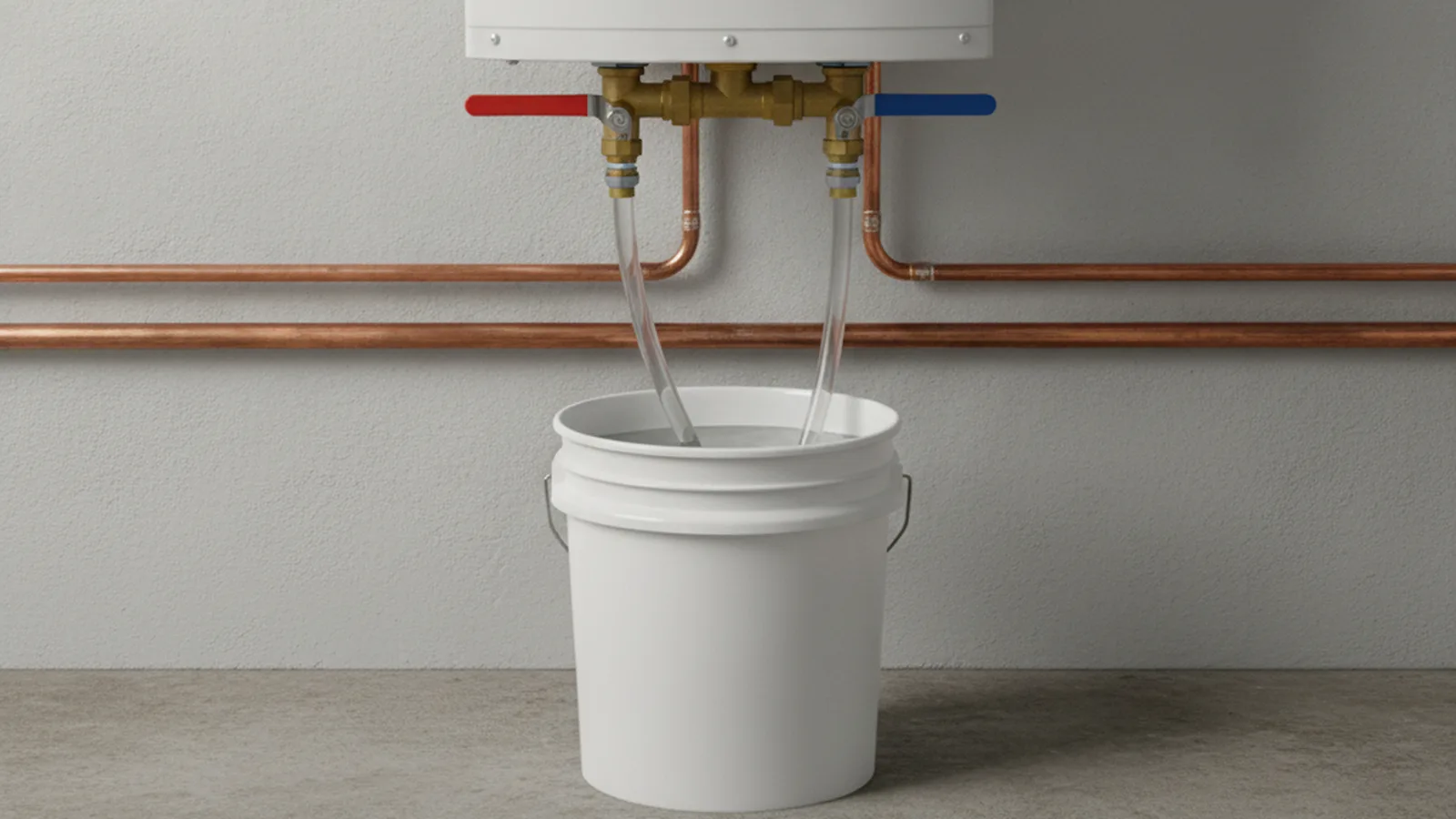
Flushing removes accumulated sediment, and checking the rod addresses corrosion. Doing them in one visit is more efficient than either separately, and a plumber who is already draining the tank is in the right position to inspect the rod.
Our post on signs you need a water heater replacement covers the point at which maintenance stops being worthwhile and replacement becomes the better spend.
When It Is Too Late
If the tank is past about ten years and has never been flushed or had the rod checked, disturbing years of hardened sediment can itself start a leak. That is not a reason to avoid maintenance generally. It is a reason to have an older, neglected tank assessed rather than opened up on a Saturday afternoon.
At that age the honest conversation is often about replacement timing rather than extending the current unit.
Talk to a Licensed Plumber
Water Heater Now handles water heater maintenance and replacement across Wilmington, New Castle County and the surrounding area. Call (302) 240-2818 or use the contact page.