
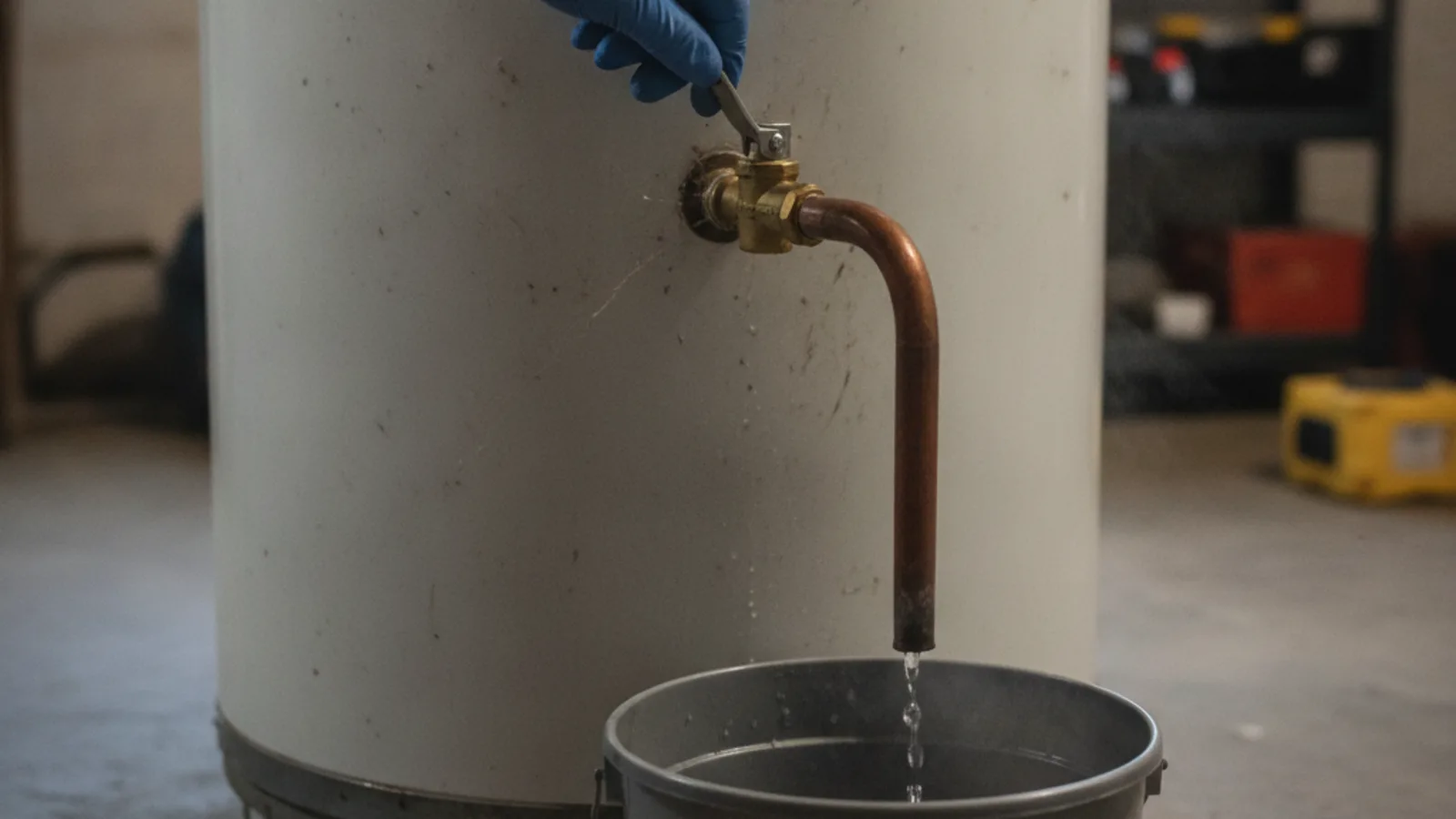
To test a water heater relief valve, put a bucket under the end of the discharge pipe, lift the valve's test lever for a few seconds, and check that hot water flows out and then stops when you let the lever snap back. Do it once a year: if no water comes out, turn the water heater off and call a plumber, and if the valve keeps dripping after the test, that needs a plumber too.
What the Relief Valve Is For
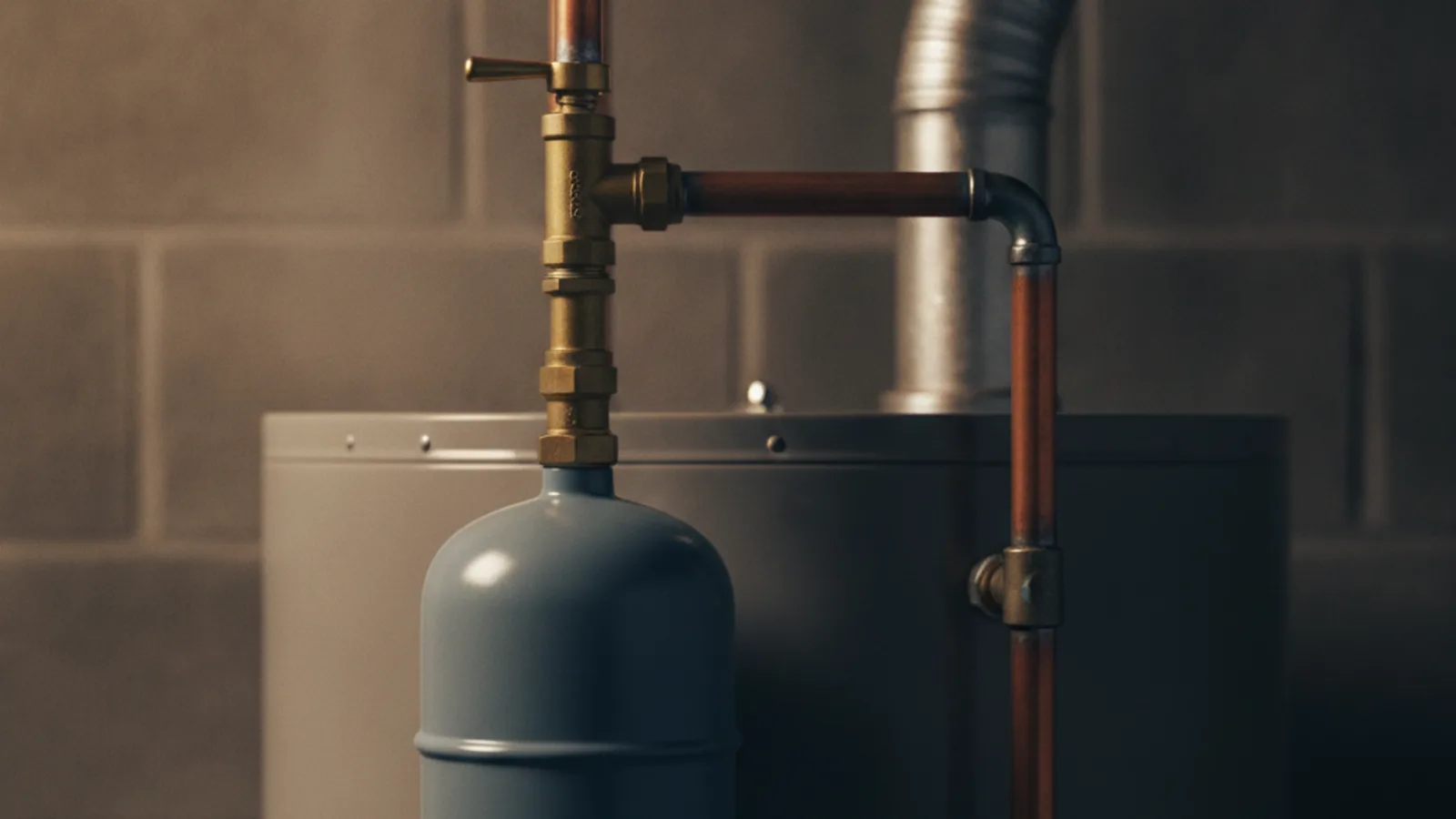
Every tank water heater, gas or electric, has a temperature and pressure relief valve, usually called the T&P valve, near the top of the tank. A.O. Smith explains that if the tank is over-pressurized, the valve opens and releases the pressure, and that "if the valve doesn't operate correctly, the tank can over-pressurize and explode."
It watches temperature as well as pressure. According to A.O. Smith's technical bulletin, the valve "will have a temperature rating for 210°F," with a probe that sits in the top six inches of the tank, and its pressure rating should be no higher than the tank's certified working pressure, "generally 150 psi." It is the last line of defense if a thermostat or gas control fails.
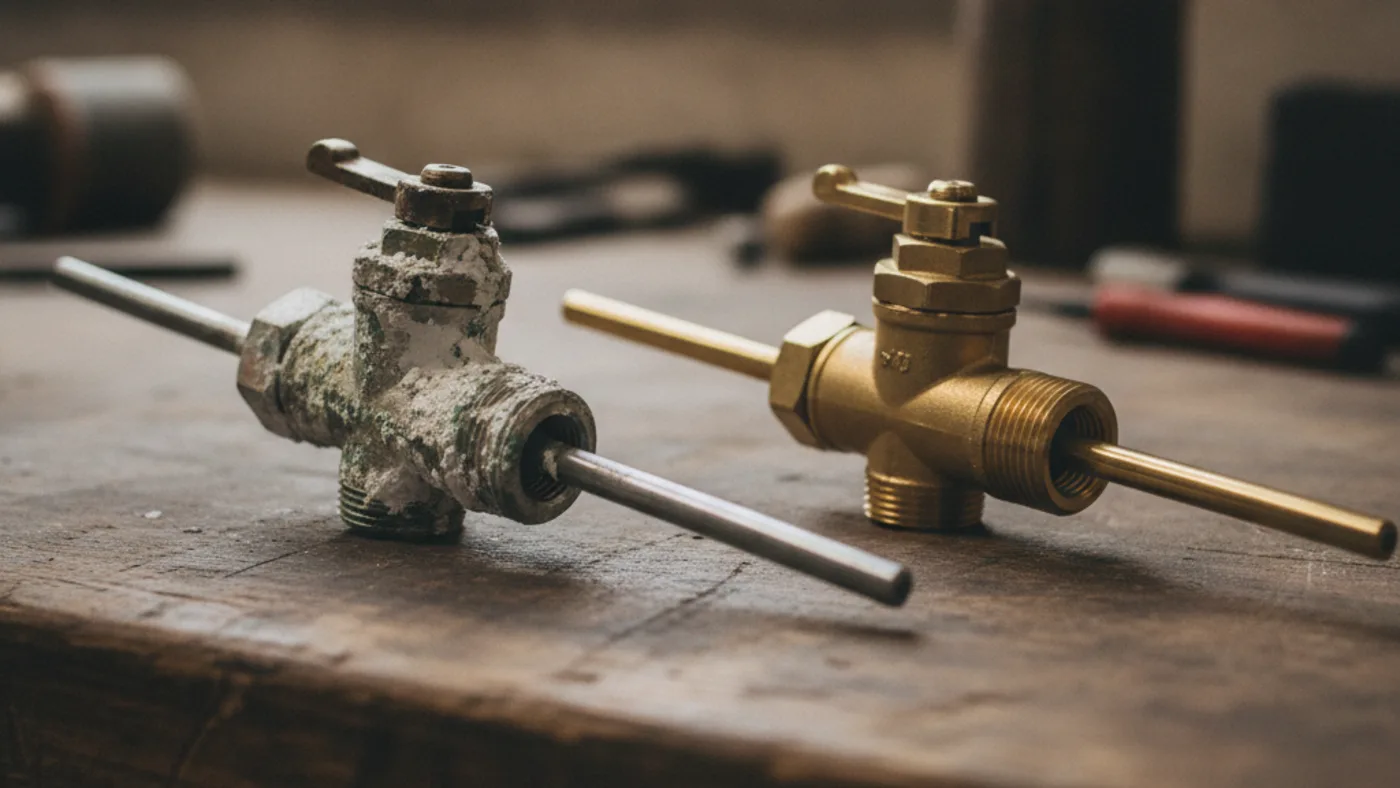
The problem is that a valve that never opens can seize. Mineral scale and corrosion build up around the seat, which is why the manufacturers ask owners to exercise it.
How Often to Test It
The instruction tag Watts attaches to its relief valves is clear: "At least once per year the water heater Owner must manually operate this valve to ensure waterways are clear." A.O. Smith gives the same yearly interval for homeowners.
The two differ on professional inspection. The Watts tag says the valve "should be inspected by a licensed plumbing contractor or qualified service technician" at least every three years, while A.O. Smith says every five. Follow the tag on your own valve, and if it is missing or unreadable, work to the shorter interval.
Autumn is a sensible time. Heaters in Wilmington, Chester County and Cecil County work hardest from October through March, when the incoming water is at its coldest, and it is better to find a stuck valve before then than during it.
Before You Touch the Lever
The water that comes out is as hot as the tank, so preparation matters more than the test itself. The Watts tag says to check first "that the discharge line is securely attached and properly installed to prevent injury or property damage," and to avoid contact with the hot water discharged during the test.
- Wear gloves and eye protection, and keep children and pets out of the area.
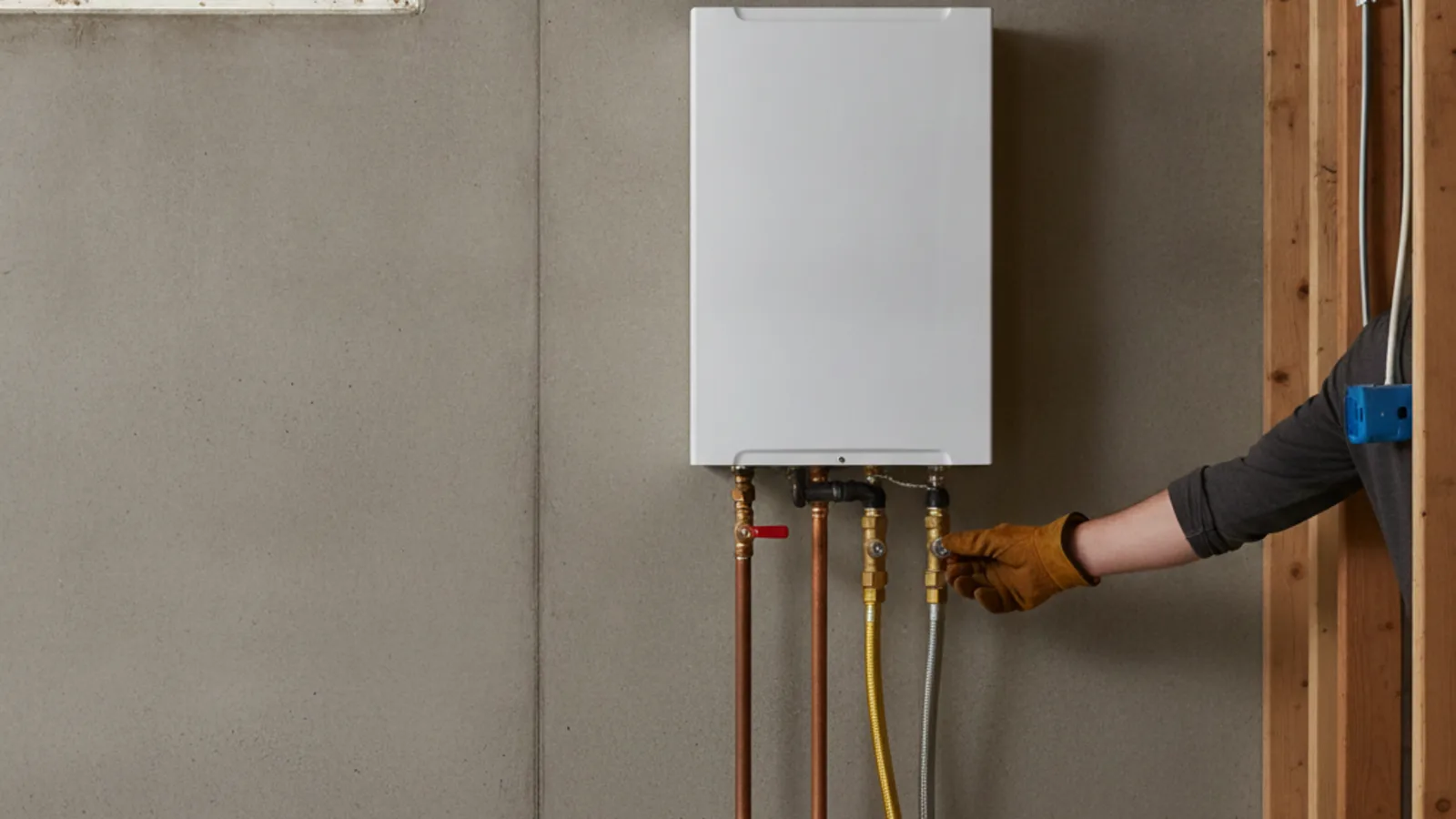
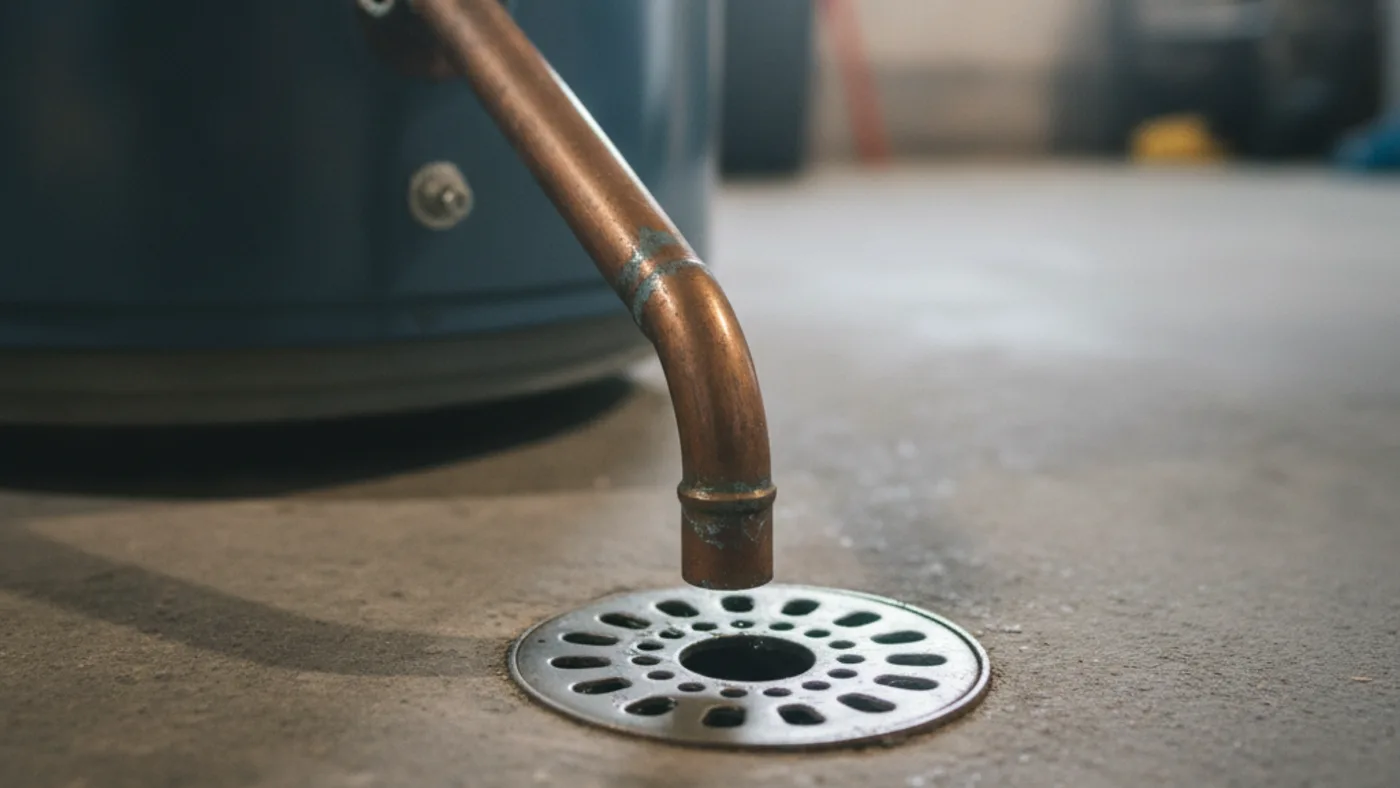
- Look at the discharge pipe. It should connect to the valve outlet and run downward, ending where water is easy to see. If there is no discharge pipe, A.O. Smith's advice is to position a bucket to catch water from the valve itself, and it is worth having a proper pipe fitted afterwards.
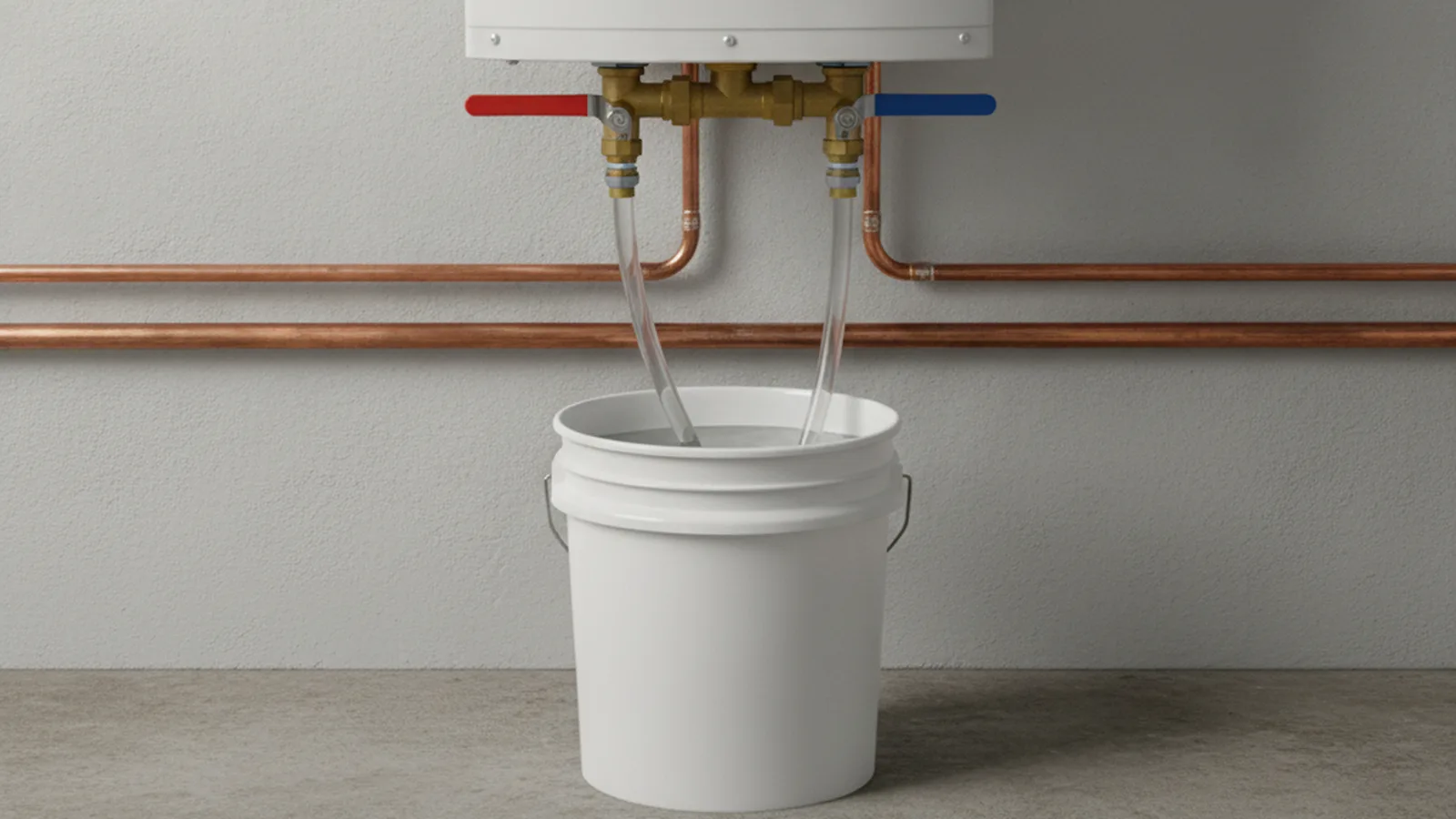
- Place a bucket under the end of the pipe, or confirm it ends over a floor drain.
- Know where the cold water shutoff and the heater's gas control or breaker are, in case the valve does not close.
How to Test It
1. Stand to the side, not in front of the discharge pipe. 2. Lift the test lever. A.O. Smith's instruction is to "lift the lever to open and close the T&P valve a few times to make sure water is discharged from the tank." 3. Hold it open for a few seconds each time. You should hear a rush and see hot water leave the pipe. 4. Let the lever snap back and watch the pipe for a minute. The flow should stop completely.
That is a pass.
Need water heater service in Wilmington?
Serving Wilmington with same-day availability and flat-rate pricing confirmed before work begins.
What a Failed Test Looks Like
No water comes out. The Watts tag is explicit: "If no water flows when the lever is operated, TURN OFF THE WATER HEATER... and CALL A PLUMBER IMMEDIATELY." The valve cannot protect the tank, and the heater should not run until it is replaced.
Water keeps flowing or dripping after the lever closes. Debris may be holding the seat open. A.O. Smith notes that releasing water through the valve can "flush any material that could be stuck in the seal," so operate the lever once or twice more. If the drip does not stop, the valve needs replacing.
Do not try to repair a relief valve. The Watts tag notes that "repair or alteration of this valve by anyone is prohibited by national safety standards/local codes." Never cap or plug the discharge pipe to stop a drip either, because that removes the safety device entirely.
If It Keeps Dripping Afterwards
A valve that drips now and then during normal use, not just after a test, is often doing its job. A.O. Smith says relief valves "will drip if the water pressure is too high or due to thermal expansion on a closed plumbing system," and advises controlling water pressure and installing a thermal expansion tank before replacing the valve. Our guide on whether you need a water heater expansion tank explains when Delaware's plumbing code requires one.
If the valve suddenly releases a large volume of very hot water, the valve is probably not the problem. A.O. Smith's bulletin links that symptom to a malfunctioning thermostat, so turn the heater off and call. For water on the floor, follow our steps for what to do when a water heater leaks.
Let Us Check It on Your Annual Service
Water Heater Now tests the relief valve and checks the discharge pipe on every water heater maintenance visit across New Castle County, Chester County in Pennsylvania, and Cecil County in Maryland, along with the flush and anode check. If your valve failed its test, call (302) 240-2818. We answer 24 hours a day.
---
Sources, verified September 23, 2026: Watts, Relief valve warning and maintenance tag; A.O. Smith, Water Heater Maintenance Guide; A.O. Smith, Technical Bulletin #52: Leaking Temperature and Pressure Relief Valve.