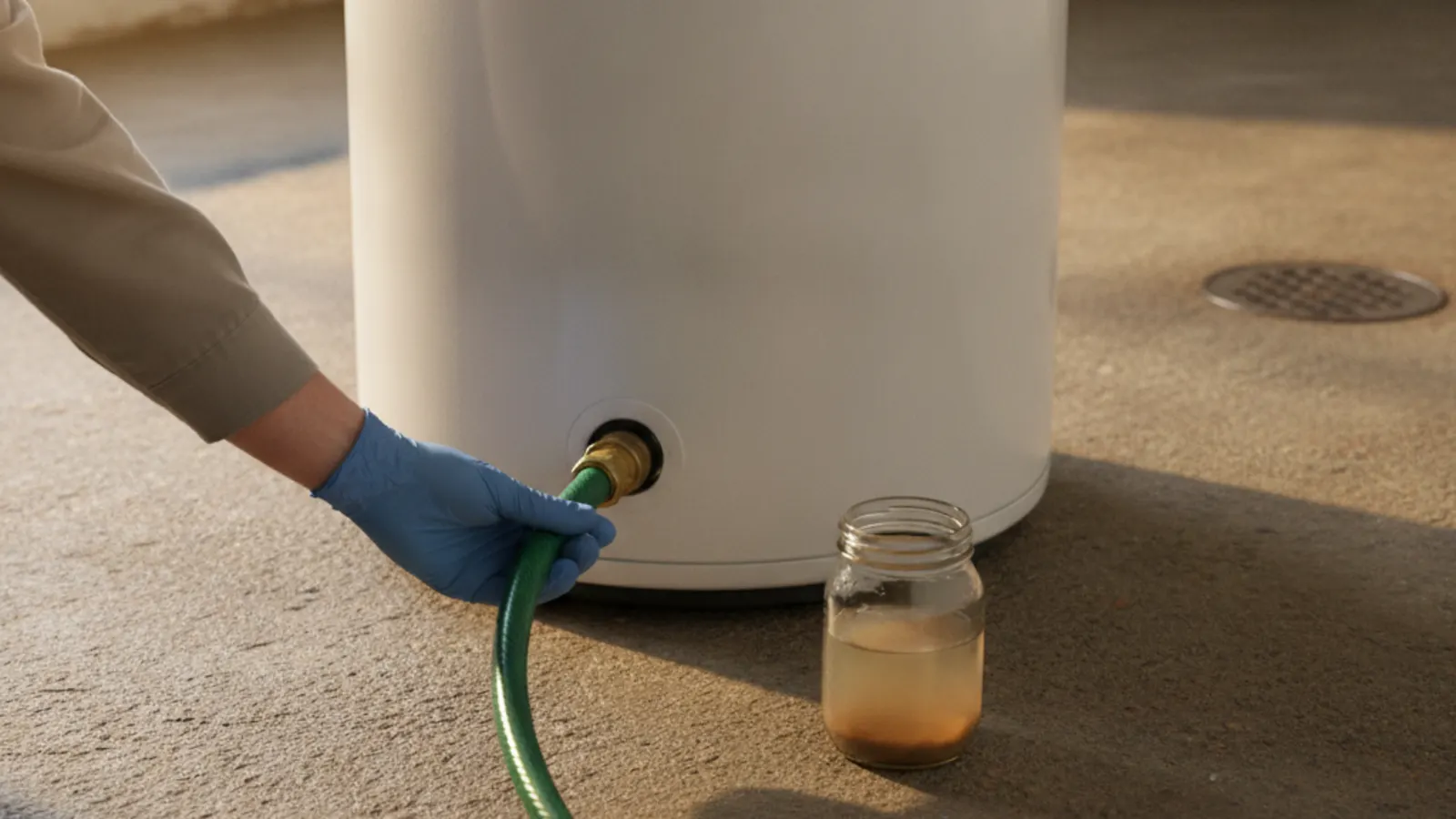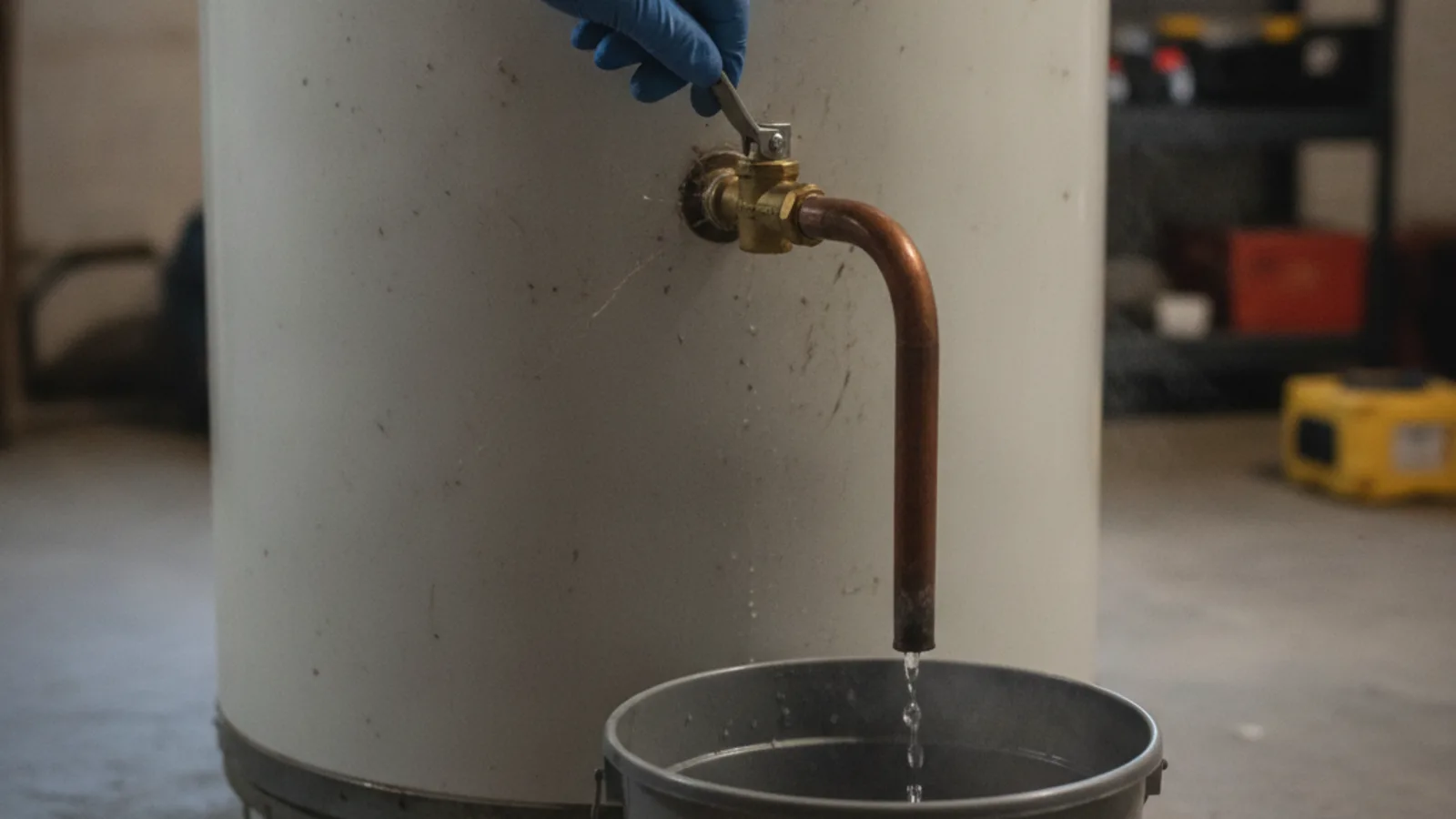

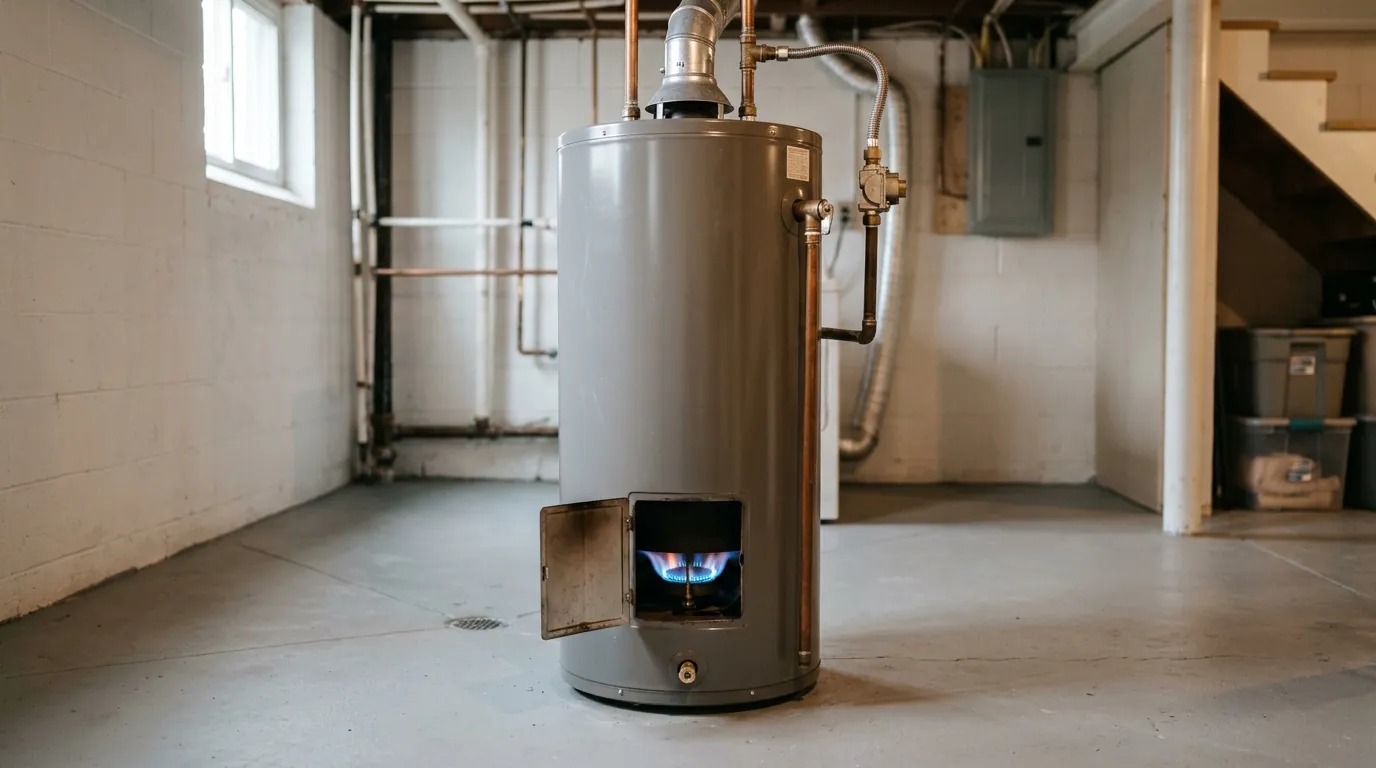
Most water heater noises point to one specific cause. Popping or rumbling usually means sediment on the bottom of the tank and calls for a flush. Ticking and a soft hum are normally harmless. Hissing, sizzling, screeching or loud repeated banging is the group to act on quickly, because it can mean a leak, a valve problem or a pressure issue.
Why Water Heaters Make Noise at All
A tank water heater is a steel cylinder full of water that is heated from the bottom, either by a gas burner under the tank or by electric elements inside it. Water expands as it heats, pipes expand and contract, and minerals in the water drop out and settle. All of that can make sound.
A new heater on soft water is close to silent. A heater that has run for years on hard water rarely is. Homes on private wells, common across Chester County, PA and Cecil County, MD, often have harder water, so the minerals behind the most common noise build up faster there. Our post on preventing sediment buildup explains how.
Rheem, one of the major water heater manufacturers, sorts noises into normal and not normal. That split is the useful one, so this guide follows it.
Popping, Rumbling or Crackling
This is the noise we hear about most, and it nearly always has the same cause. In Rheem's words, "Sediment buildup in tank-style units is the most common cause of popping or rumbling sounds."
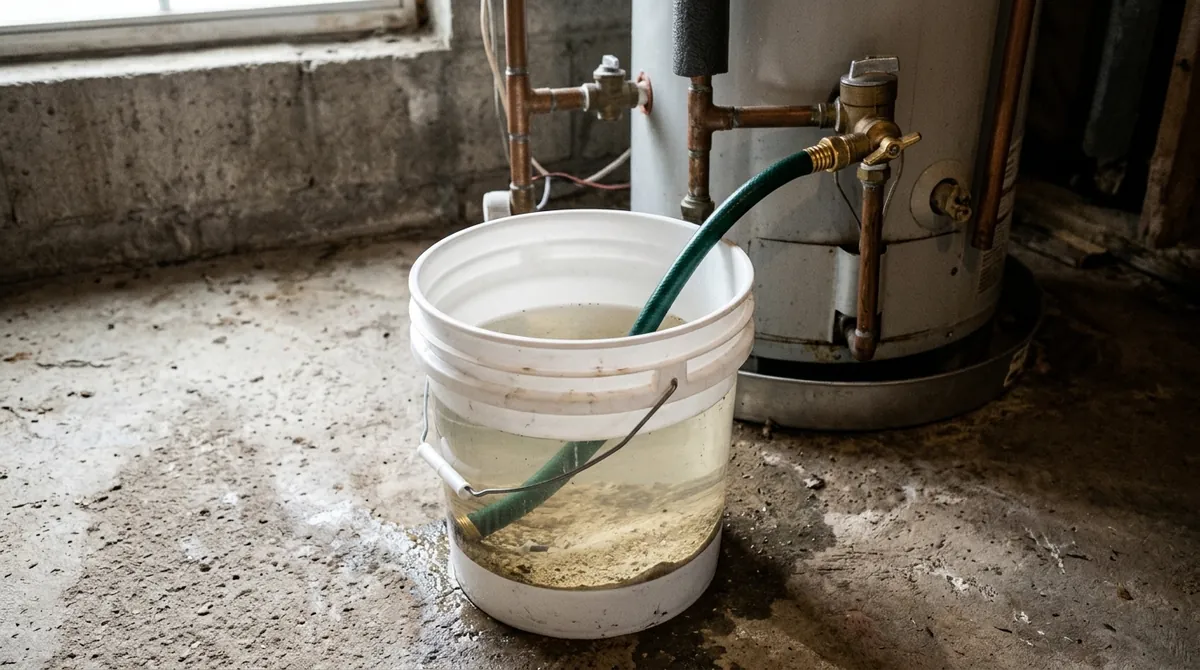
Minerals settle on the bottom of the tank as a layer of sand-like sediment. On a gas heater, the burner fires right under that layer. Water trapped in and under the sediment boils in small pockets and bursts through it, which is the popping. Rheem describes the same thing: sediment builds up, "causing the water heater to make a popping noise or rumble as water heats beneath the debris."
The noise itself is not the damage. What the sediment does is. It sits between the flame and the water, so the burner runs longer to heat the same tank, and the bottom of the tank runs hotter than it should. Over years that shortens the heater's life.
What to do:
- If the heater is under about eight years old, a professional flush usually stops the popping and restores some lost hot water capacity. Rheem calls annual flushing "one of the most effective forms of water heater maintenance."
- If it still pops after a flush, or the heater is older and has never been flushed, the sediment may have hardened. That is worth having looked at before it becomes a leak.
- On an electric heater, the sound is often more of a crackle or sizzle as scale forms on the lower element. A flush and an element check deal with it.
Our guide to whether water heater maintenance is worth it covers what a yearly flush saves.
Ticking, Tapping or Clicking
Usually harmless. Rheem lists ticking and clicking as normal, "Often caused by heat traps or pipe expansion as temperatures change." Heat traps are small fittings at the top of the tank that stop hot water creeping up the pipes, and they can tick as water flows through. Pipes ticking as they warm and cool is the same expansion you hear in a radiator.
When to take a closer look: if the ticking is new and loud, or if a pipe is rubbing against a joist or strap and you can see it moving. A loose pipe strap is a simple fix.
Humming
On an electric water heater, a low hum while the heater is running is normal. Rheem describes humming as "Common in electric units when heating elements are active."
What is not normal is a loud buzz, a hum that carries on when the heater should be idle, or any smell of hot wiring at the access panels. Turn the breaker off and call a plumber. Electric heaters run on a 240-volt circuit, and the element and thermostat panels are not something to open with the power on.
Hissing or Sizzling
This is the noise to take seriously. Rheem is direct about it: "a hissing, sizzling or dripping water heater can be dangerous."
A hiss usually means water is getting somewhere it should not. Common causes:
- Water dripping onto the burner of a gas heater from a leak in the tank or a fitting above it. You hear a sizzle each time a drop hits the flame.
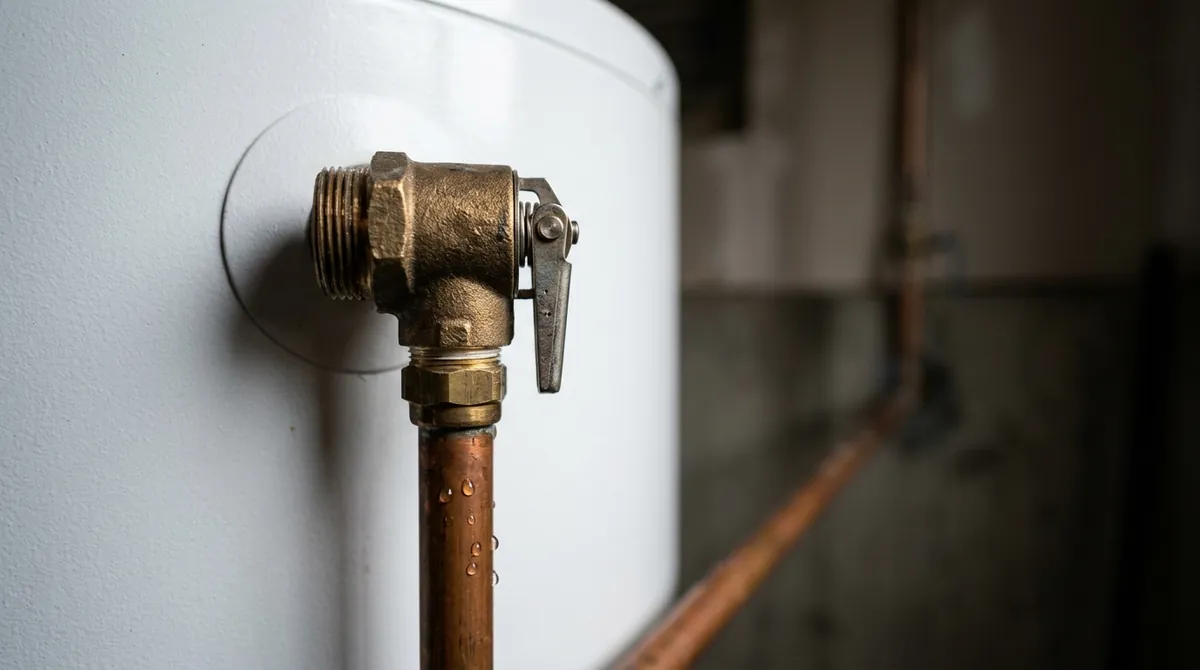
- The temperature and pressure relief valve letting out water or steam. That valve opens when the tank gets too hot or the pressure gets too high, so a valve that is releasing is telling you something. Our guide to testing the relief valve explains what it does.
- A loose fitting on the water lines at the top of the tank.
What to do: look for water around the base of the tank, at the relief valve discharge pipe, and at the connections on top. Rheem recommends turning off the power or gas, not using the system, and scheduling an inspection straight away. If the tank body itself is leaking, it cannot be repaired, and our post on what to do when your water heater leaks walks through the first steps.
Need water heater service in Wilmington?
Serving Wilmington with same-day availability and flat-rate pricing confirmed before work begins.
Screeching or Whistling
A high-pitched screech or whistle is different from the hiss. Rheem says "These high-pitched sounds often mean restricted water flow or pressure irregularities," and lists causes including a partly closed inlet or outlet valve, a faulty relief valve and mineral buildup.
First check the obvious: is the cold water shutoff above the heater fully open? A half-closed valve is enough to whistle. If it is fully open and the sound continues, have it looked at, because a relief valve that is not working properly is a safety part you want right. Rheem notes that persistent high-pitched sounds "usually won't resolve on their own."
Knocking or Banging in the Pipes
A bang when a tap, washing machine or dishwasher shuts off is usually water hammer, not the heater. Rheem explains it as "water hammer, which happens when flowing water suddenly stops or changes direction," and notes it usually is not a problem with the unit itself.
It is still worth fixing, because repeated hammering stresses pipe joints and fittings. A plumber can add water hammer arrestors or check whether high water pressure is part of the problem. In homes with a closed water system, an expansion tank also takes up the pressure that builds as the tank heats.
Which Noises Need a Call Today
Use this as a quick guide:
| Sound | Most likely cause | What to do |
|---|---|---|
| Popping, rumbling | Sediment on the tank bottom | Book a flush; check again if it continues |
| Crackling (electric) | Scale on the lower element | Flush and element check |
| Ticking, clicking | Heat traps, pipes expanding | Normal; secure loose pipes |
| Soft hum (electric) | Elements running | Normal |
| Loud buzz | Electrical fault | Breaker off, call a plumber |
| Hissing, sizzling | Leak, relief valve, loose fitting | Gas or power off, call today |
| Screeching, whistling | Restricted flow, valve problem | Check the shutoff, then call |
| Banging when taps close | Water hammer | Have pressure and arrestors checked |
Two more signs move any noise up the list: water or moisture around the heater, and a heater that is more than about ten years old. An older tank that has started rumbling loudly is often close to the end of its life, and our guide to the signs you need a water heater replacement can help you decide.
Frequently Asked Questions
Is it dangerous if my water heater is popping?
Popping on its own is not usually dangerous. It means sediment has built up, which wastes energy and shortens the heater's life. Book a flush. Hissing, sizzling or water around the heater is different and needs attention the same day.
Will flushing stop the noise?
On a heater that has not been neglected for years, a flush usually stops popping and rumbling. On an older tank with hardened sediment, it may only reduce it.
Do tankless water heaters make noise?
Yes, but different noises. A fan running and a soft click at ignition are normal. Banging, grinding or a unit that is louder than it used to be usually means scale in the heat exchanger. See our guide on how often to flush a tankless water heater.
How often should a water heater be flushed?
Once a year is the usual recommendation, and Rheem calls annual flushing one of the most effective forms of water heater maintenance. Hard water and well water can call for more often.
Get a Noisy Water Heater Checked in Wilmington
If your water heater has started popping, rumbling, hissing or screeching, call Water Heater Now at (302) 240-2818. We answer 24/7, offer same-day appointments and give you a flat price before any work starts. A yearly water heater maintenance visit flushes the sediment, checks the anode rod and tests the relief valve. If the noise turns out to be a fault, our water heater repair service covers gas, electric and tankless units across New Castle County, Chester County, PA and Cecil County, MD.
---
Source, verified November 18, 2026: Rheem, The Ultimate Guide to Water Heater Noises: What's Normal (and What Isn't).